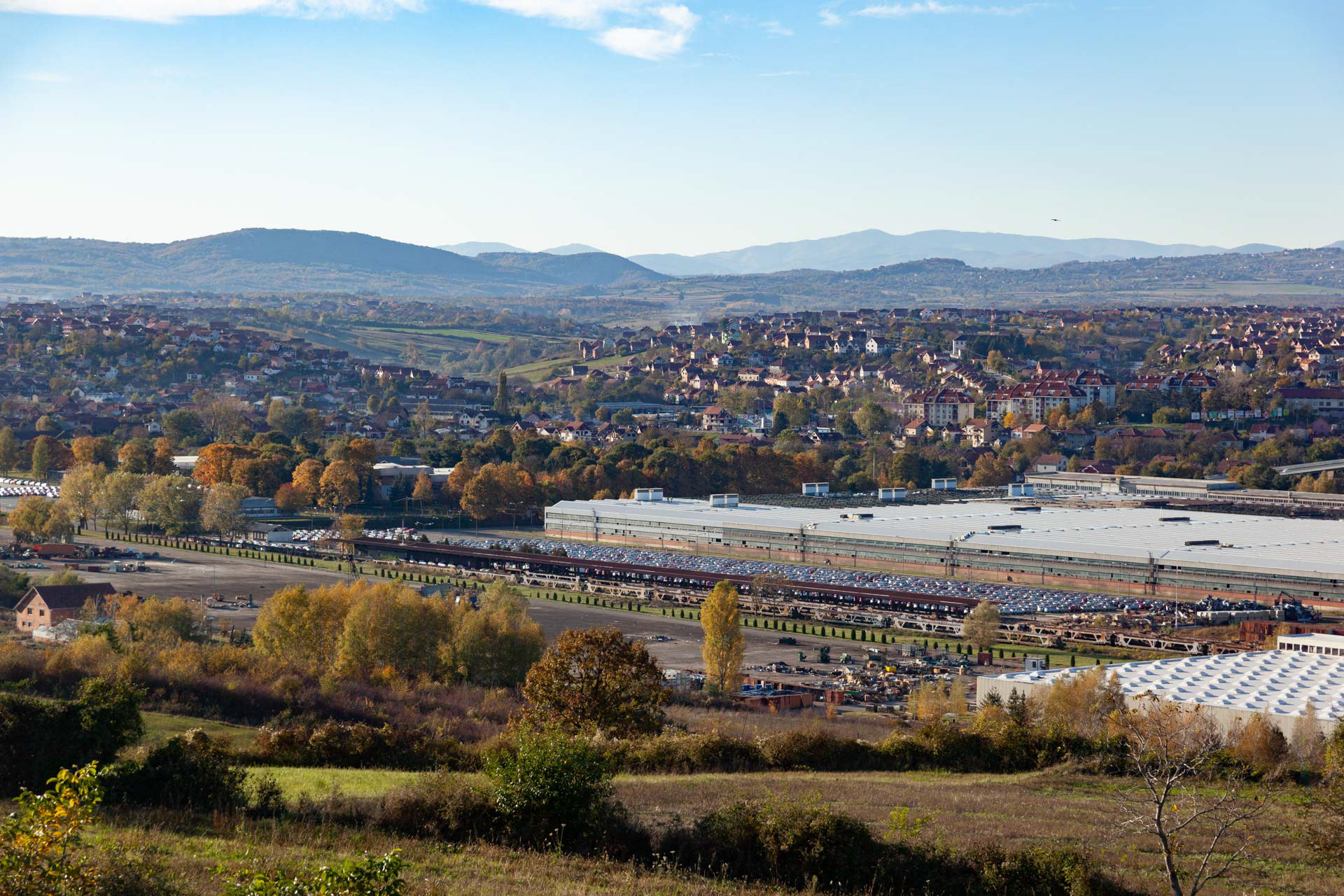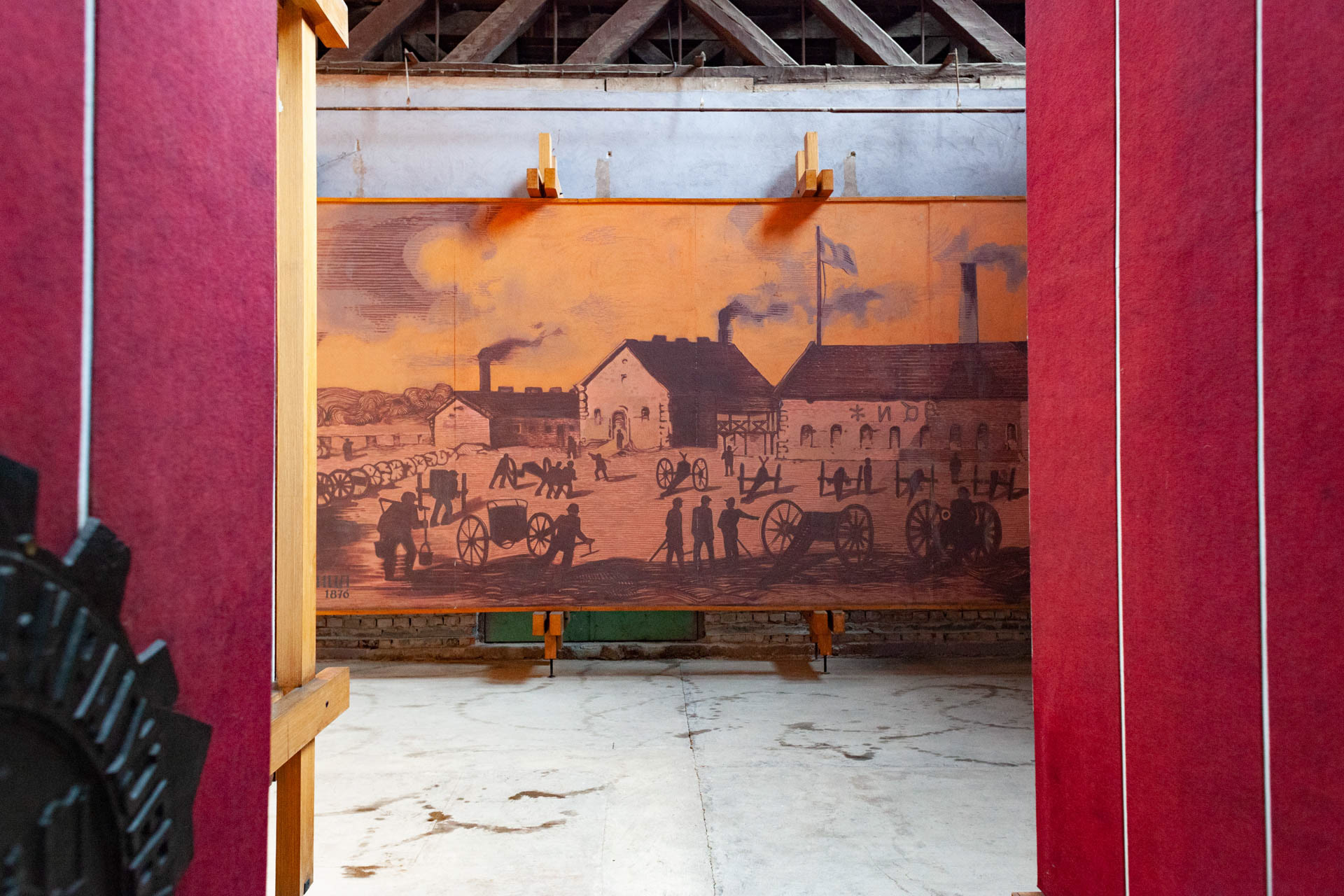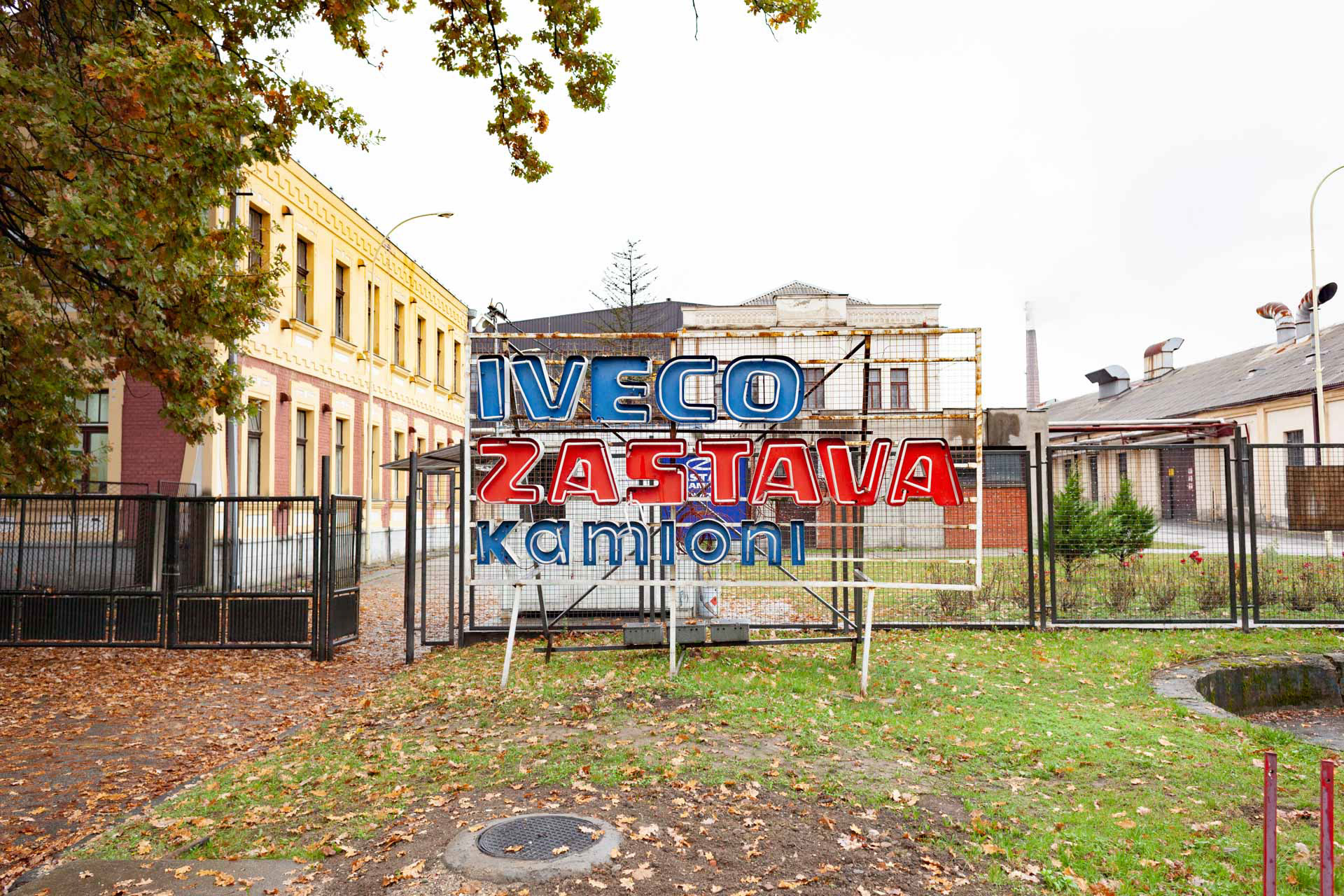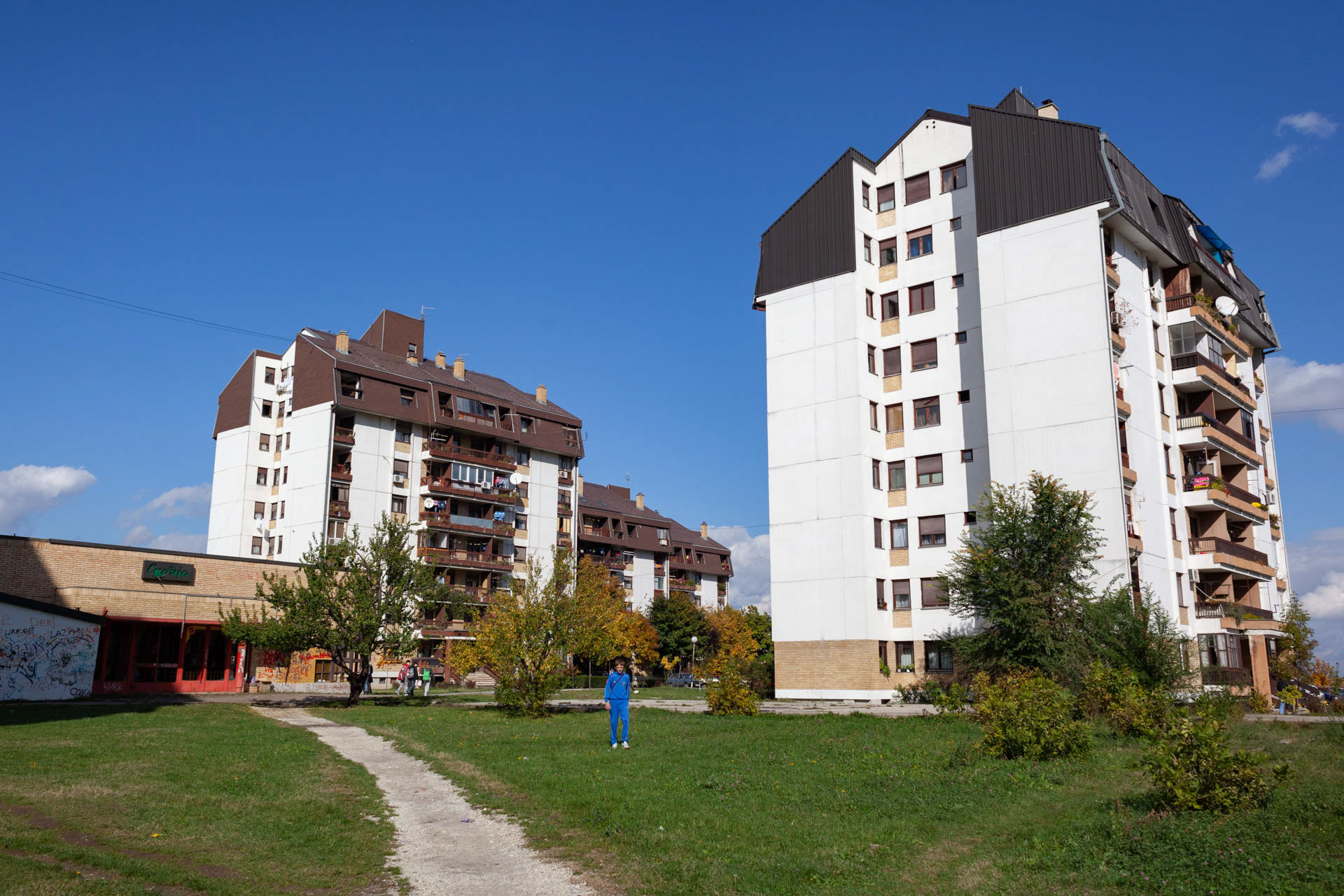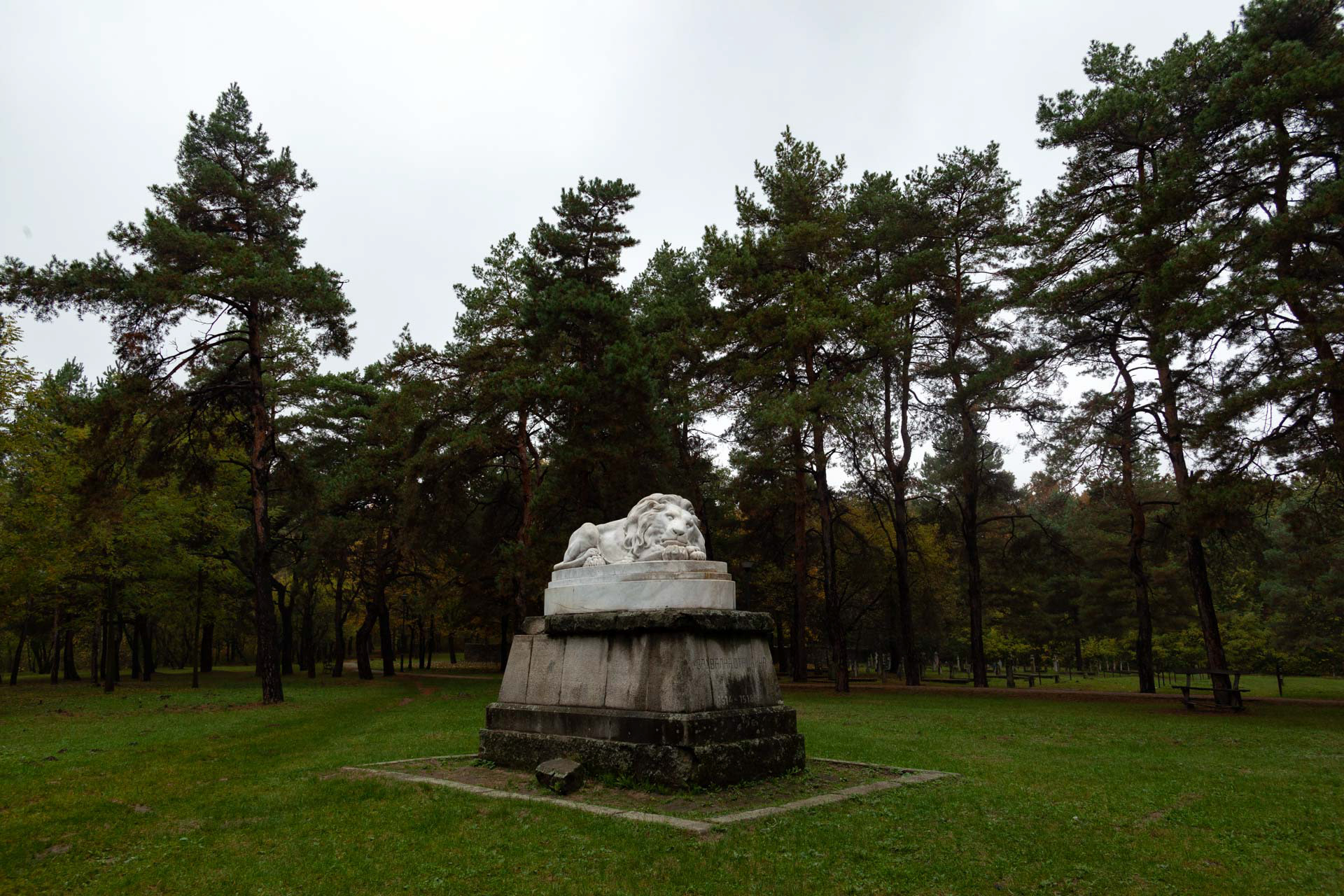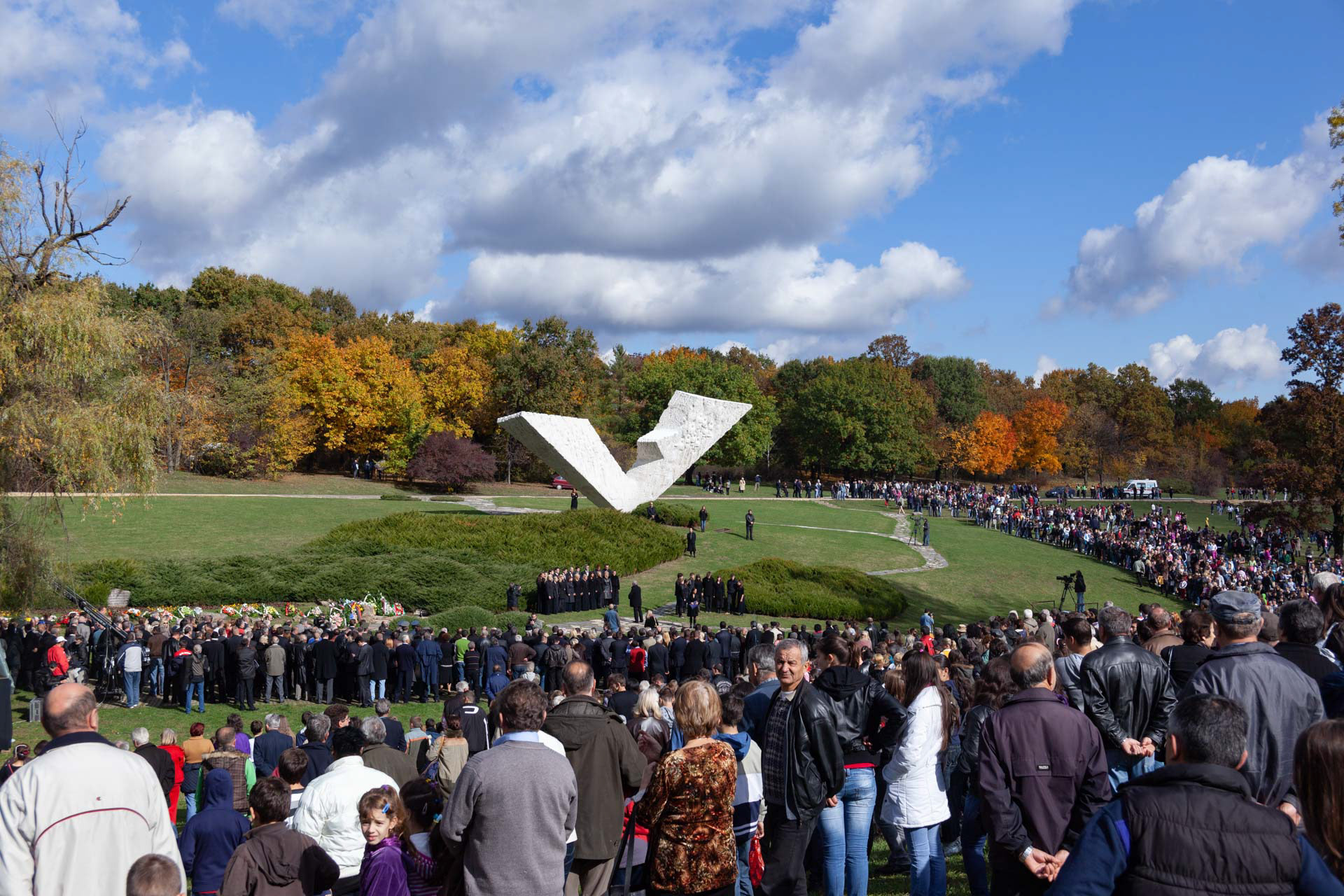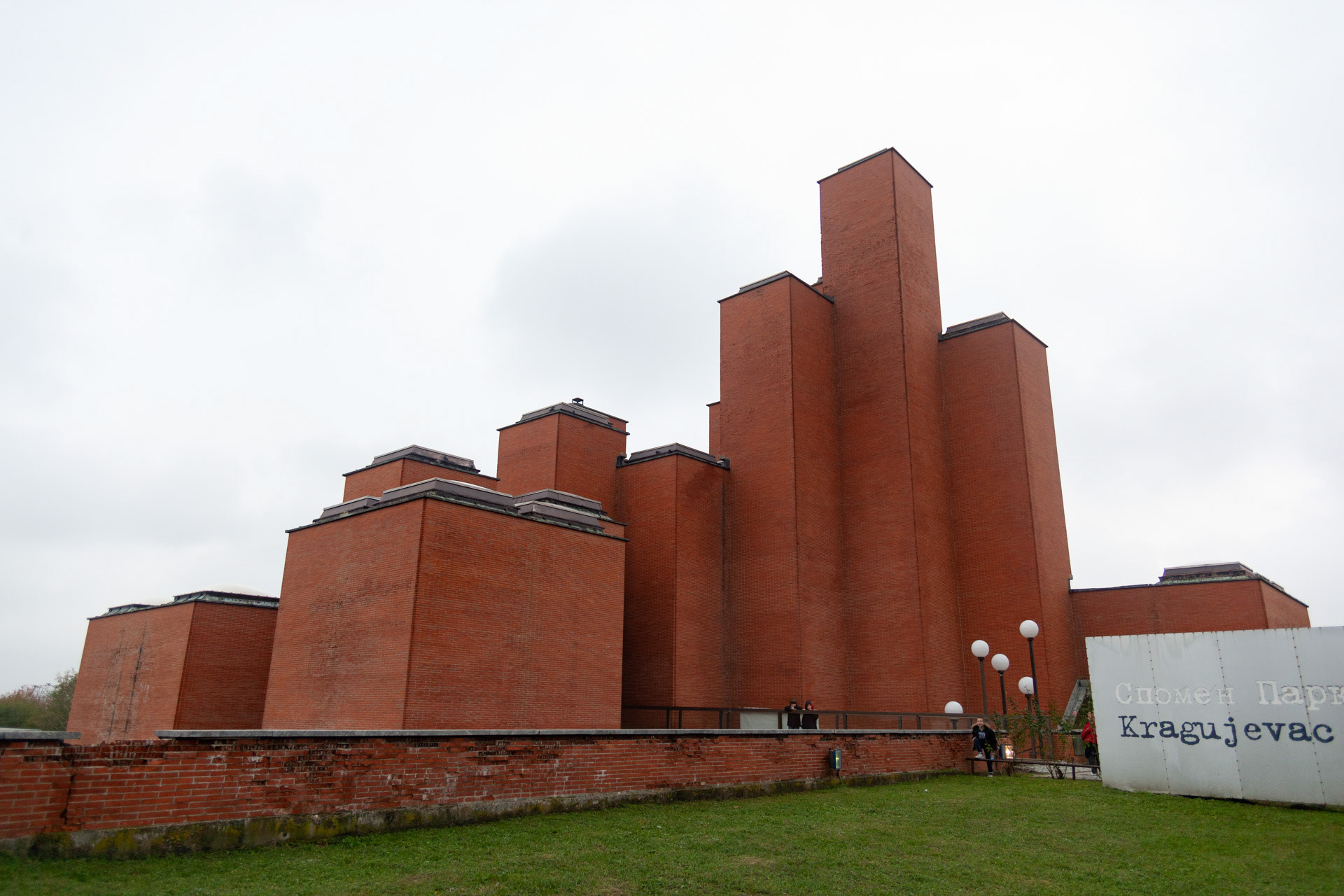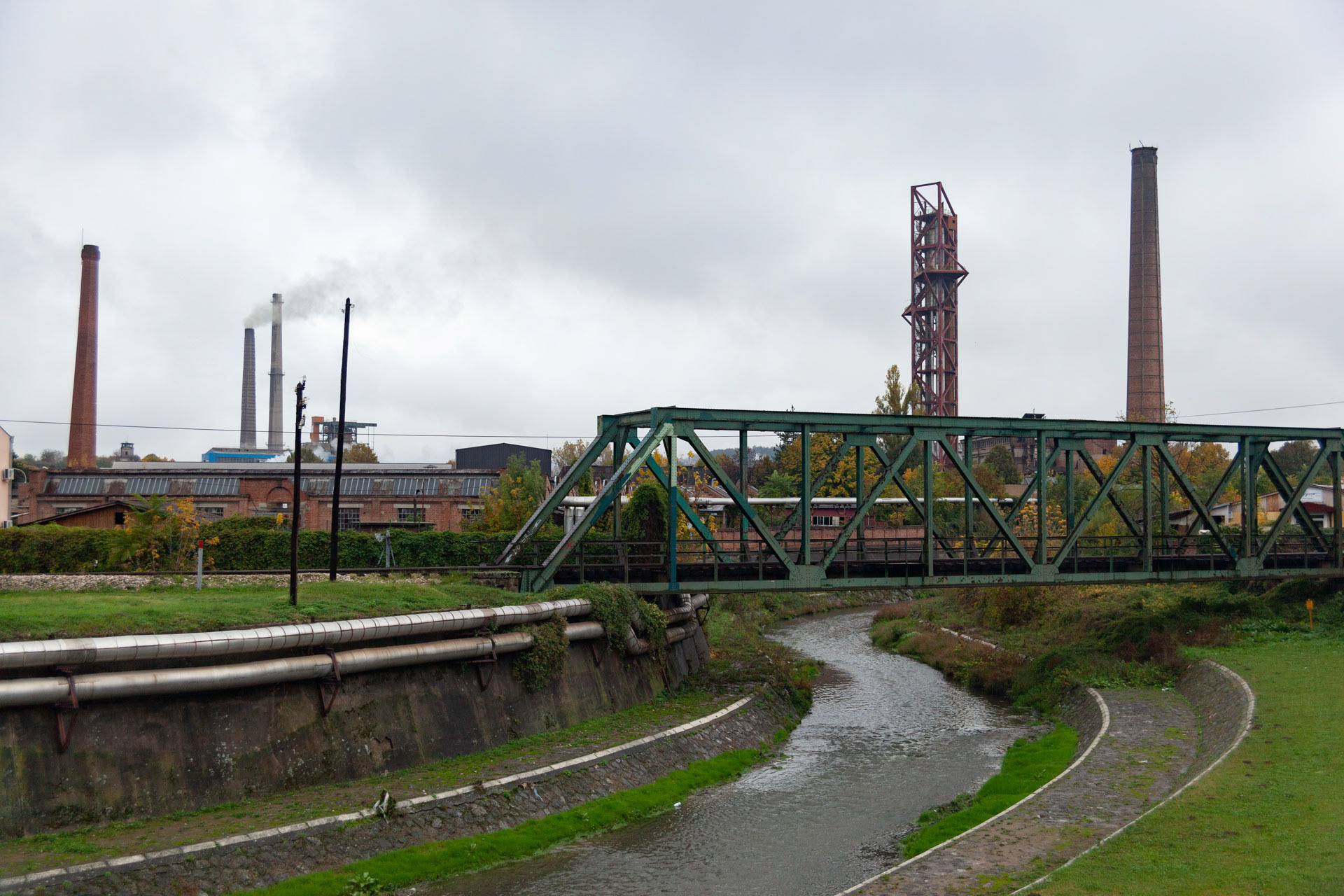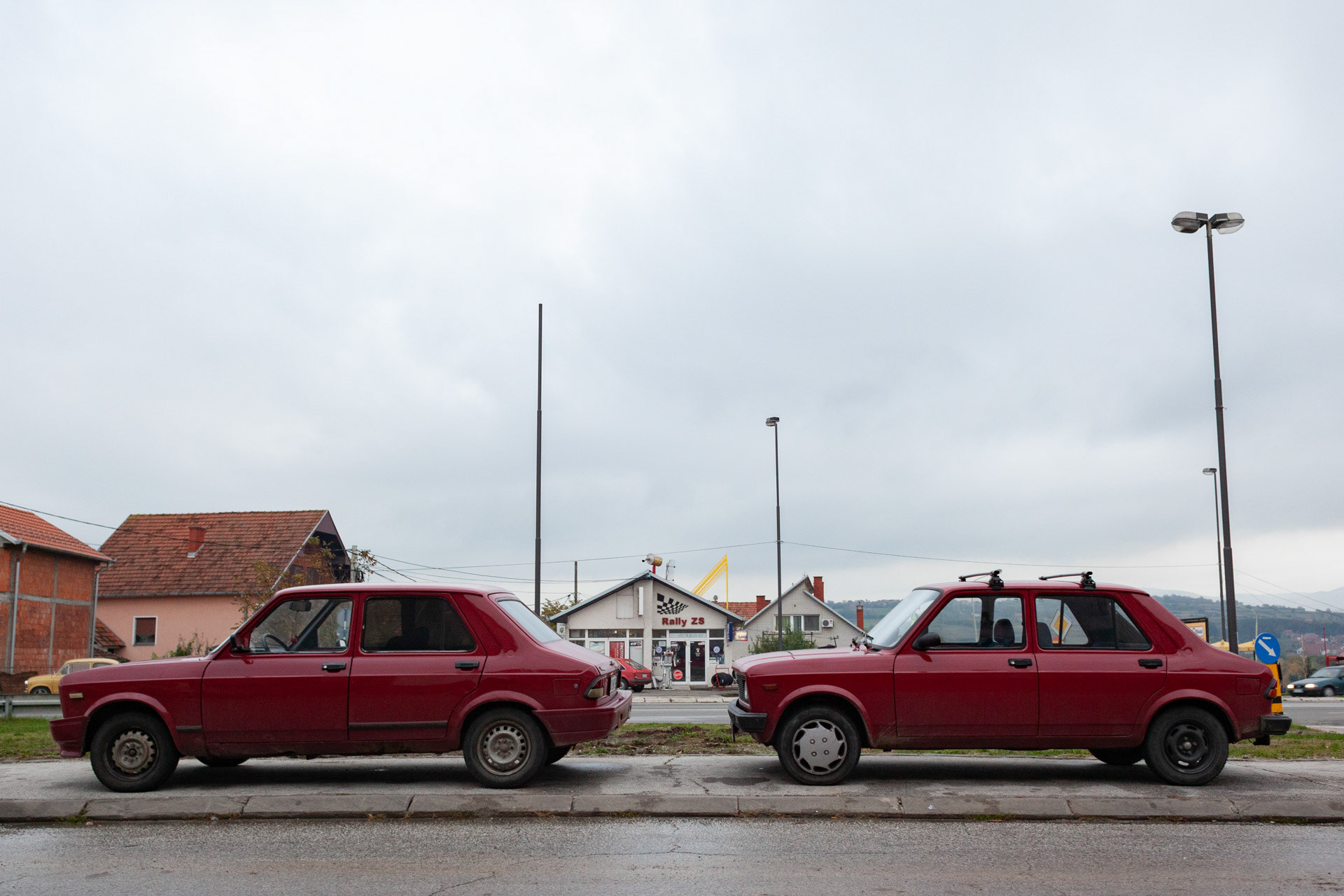

Kragujevac is a city where industry and power have long shaped the history of the Balkans. It was here that some of the first weapons systems and sniper rifles were produced, alongside the only commercial vehicles distributed across the region. Zastava, the factory at the center of this industrial legacy, contributed in various ways to the strength and continuity of Serbian regimes from its founding in the second half of the nineteenth century.
Before the 1999 war, Zastava employed nearly 40,000 workers. Years of layoffs followed, and after agreements signed with the Serbian government in 2008, Kragujevac gradually became synonymous with Fiat. Today, around 1,000 employees work on the production lines.
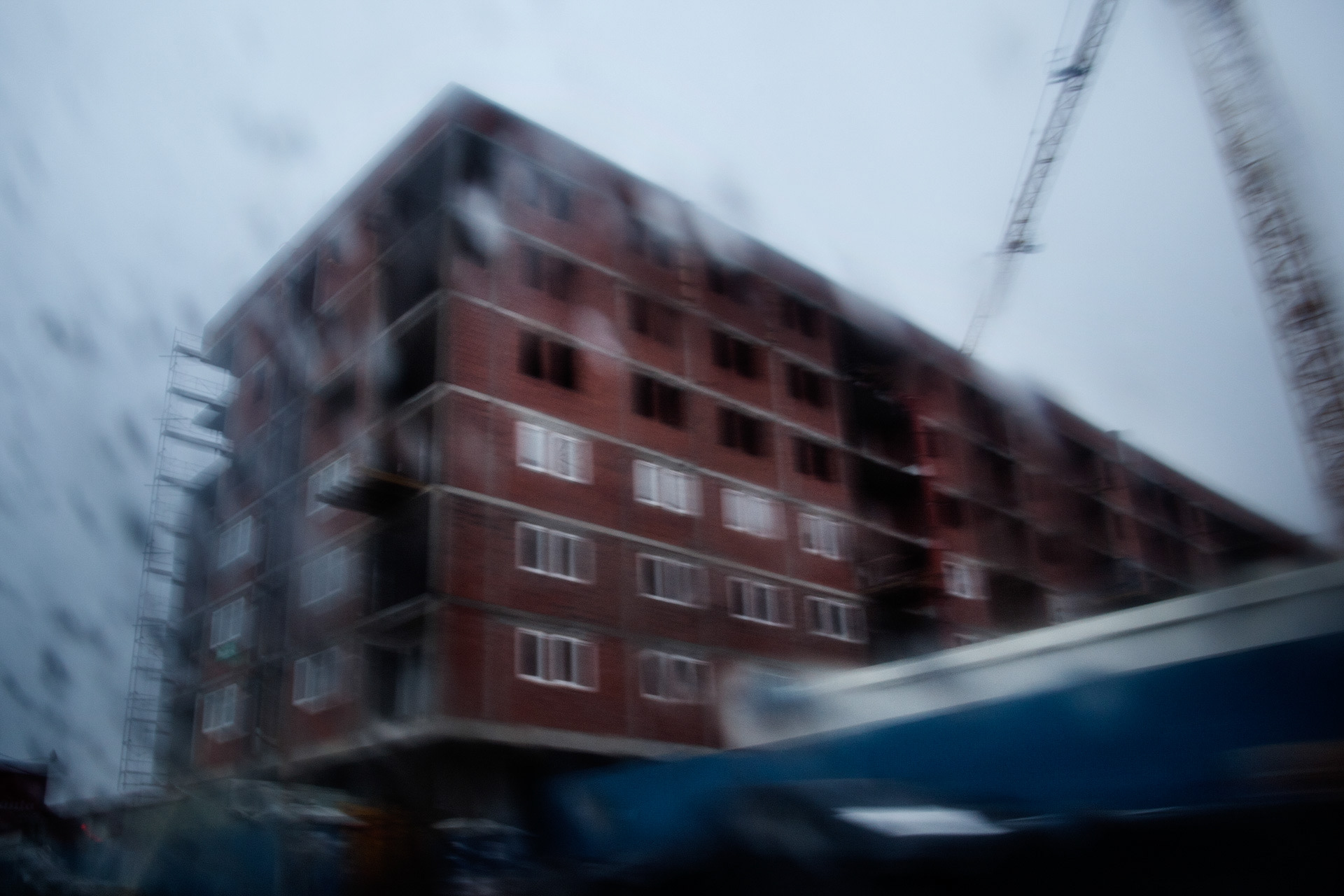
The city has reshaped its identity around vehicle manufacturing once again. While residents adapt to this renewed industrial destiny, local contractors build, invest, and open new businesses across the city, supported by state subsidies. Wages are expected to rise, along with productive activity, in a fragile balance between memory, labor, and economic transition.