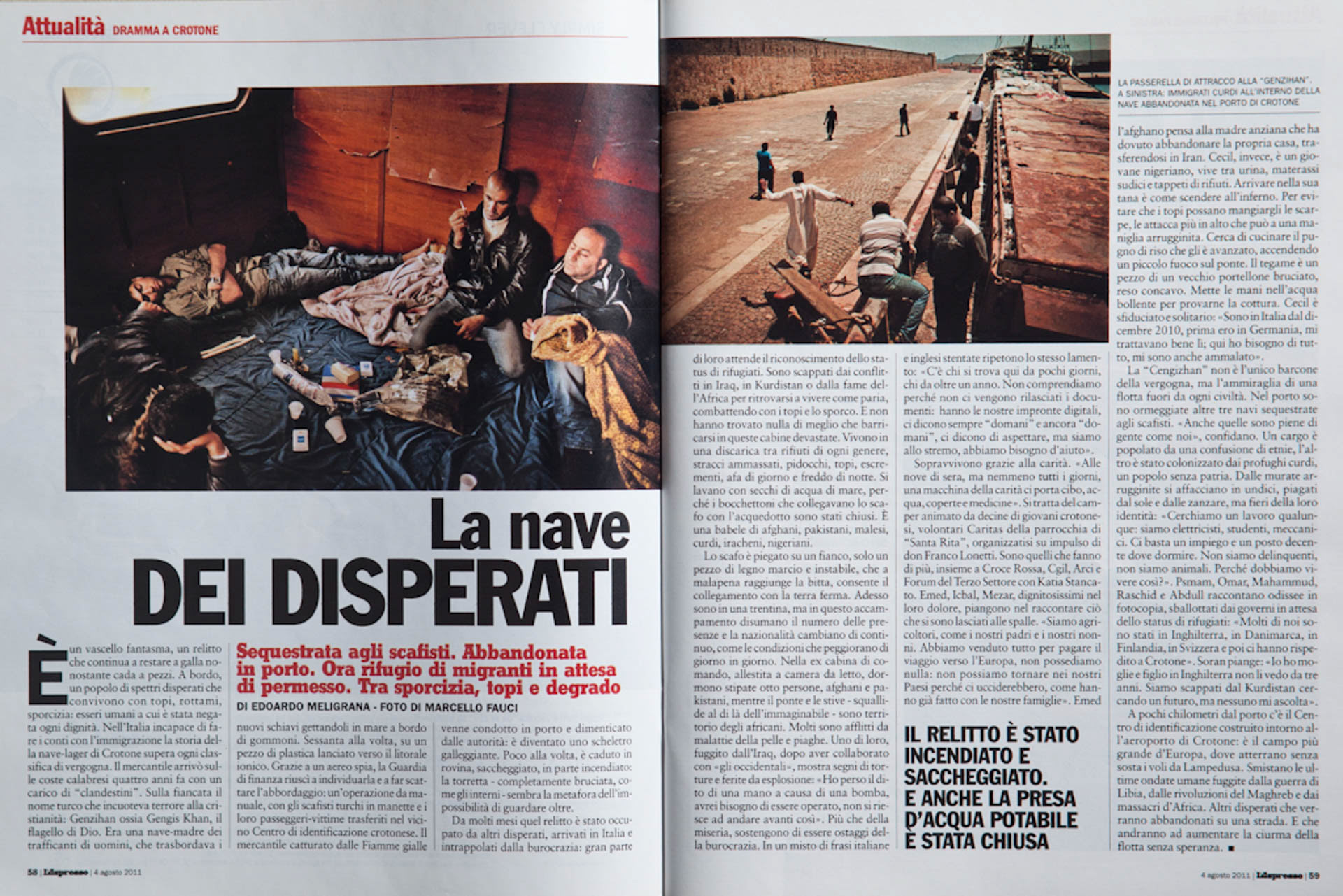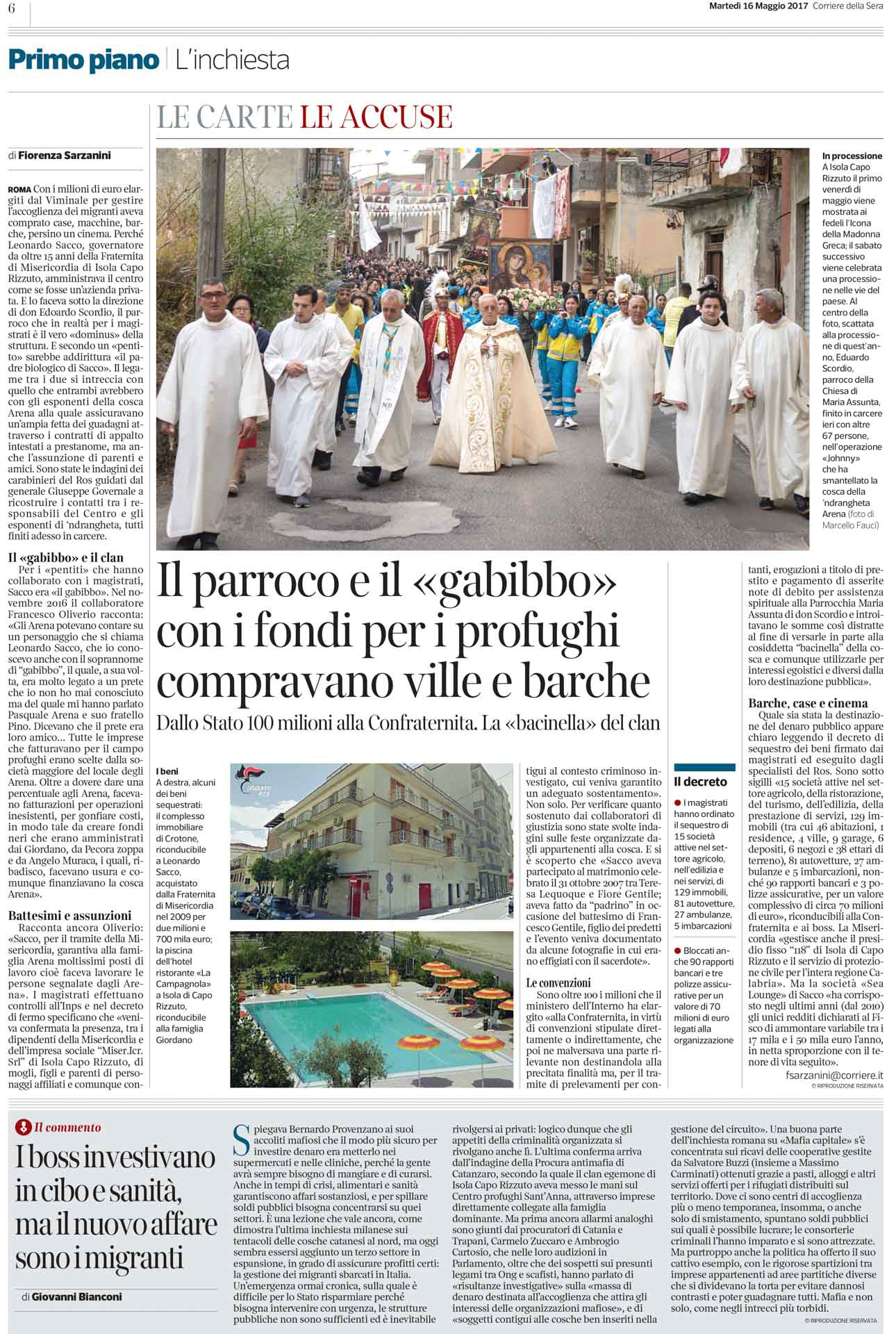

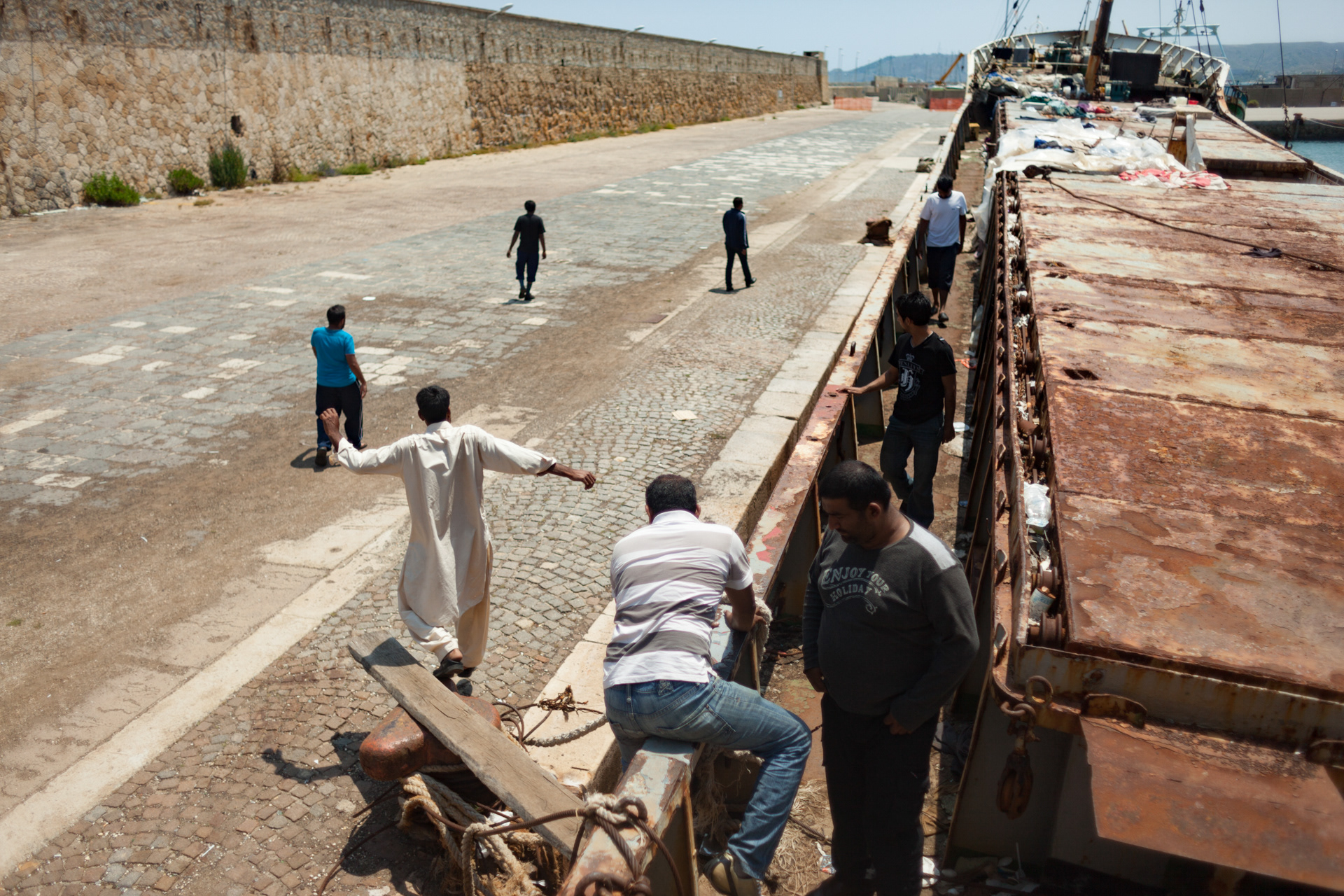
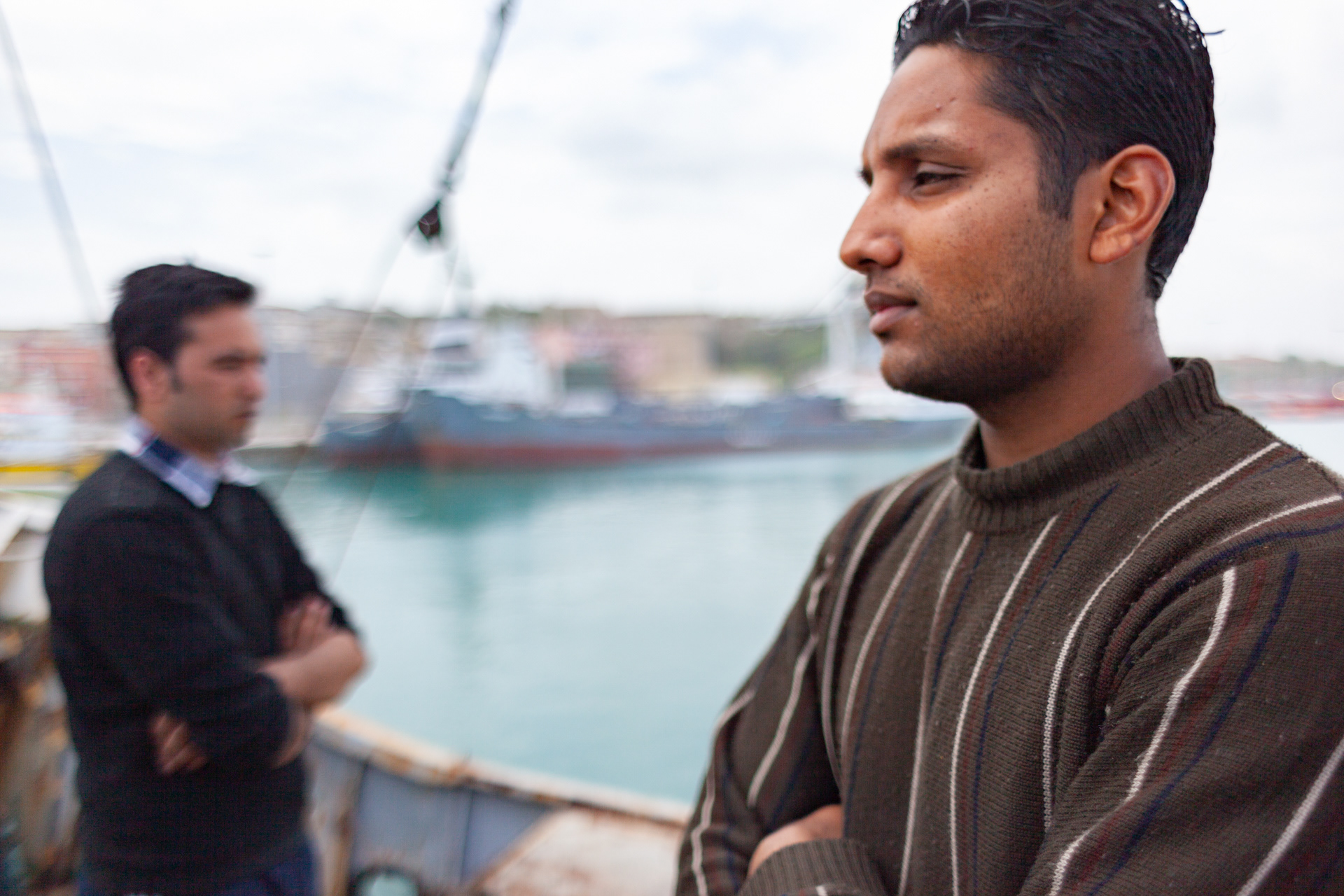
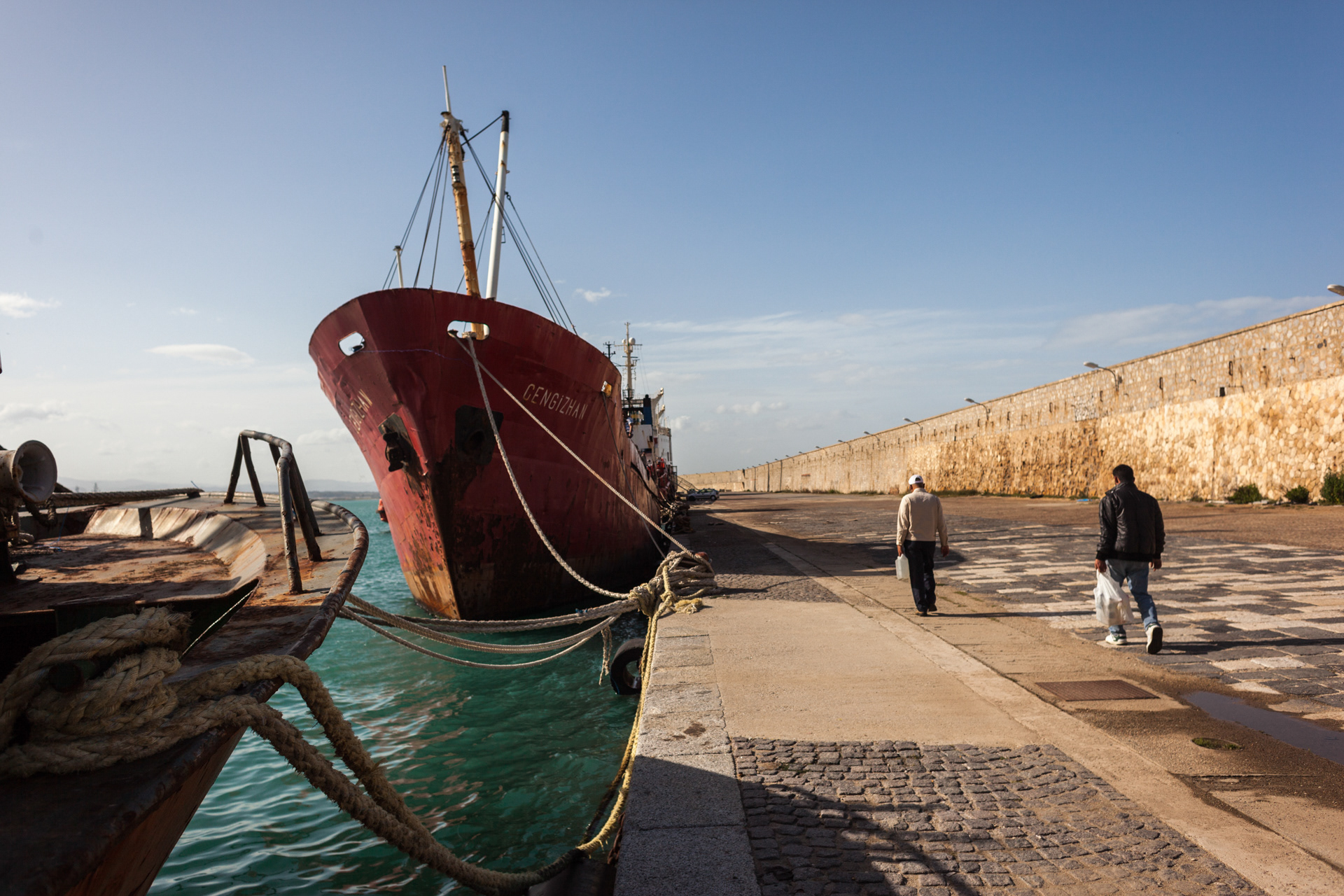
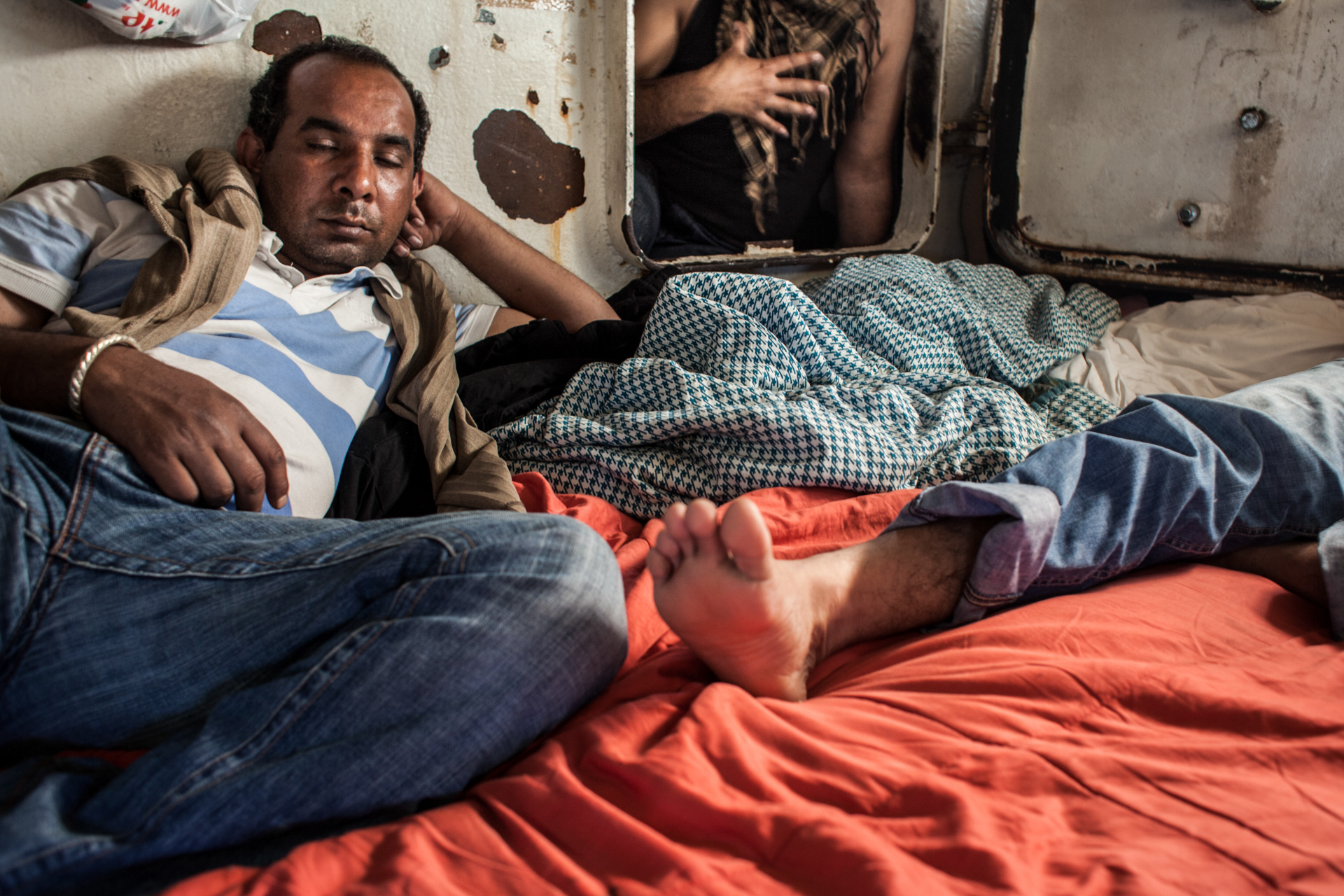
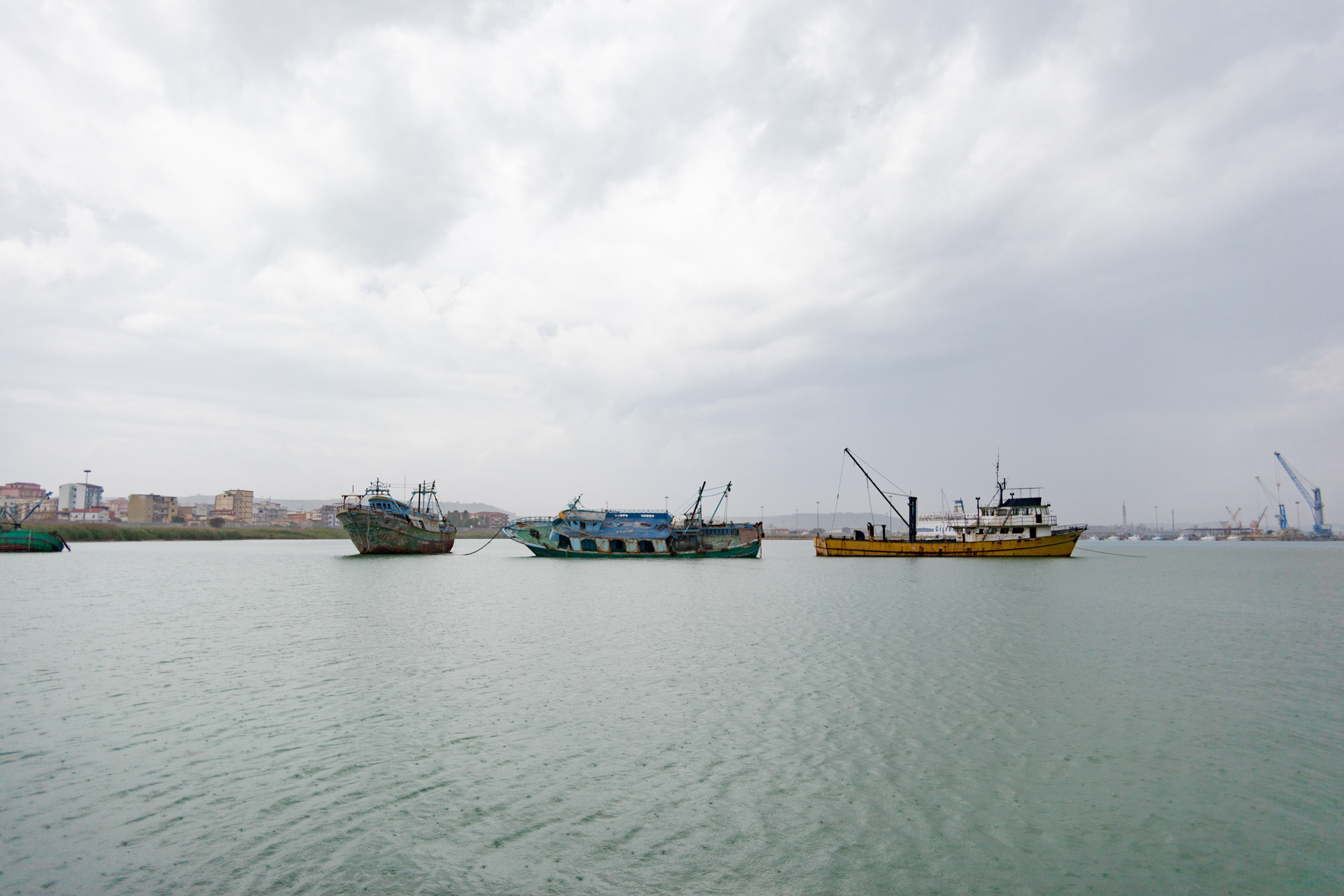
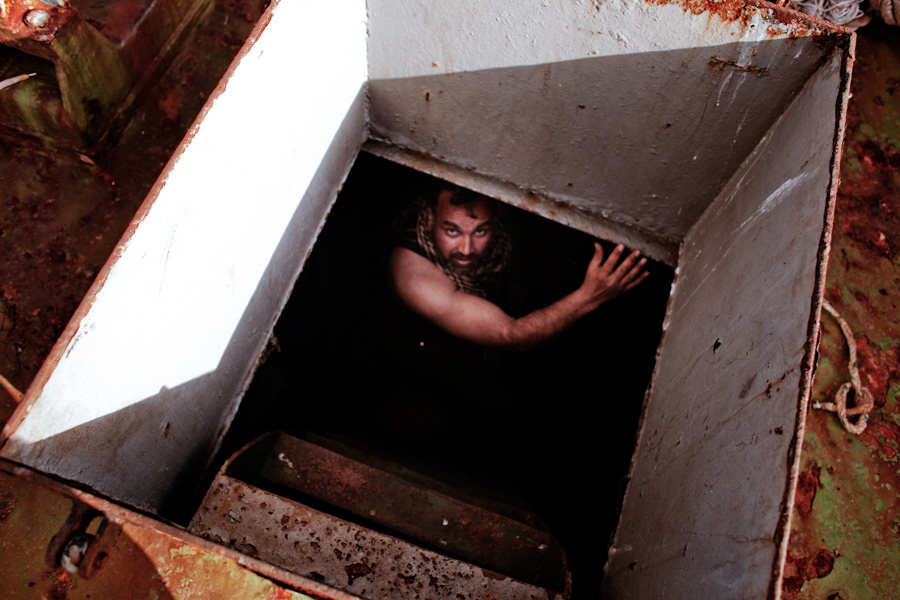
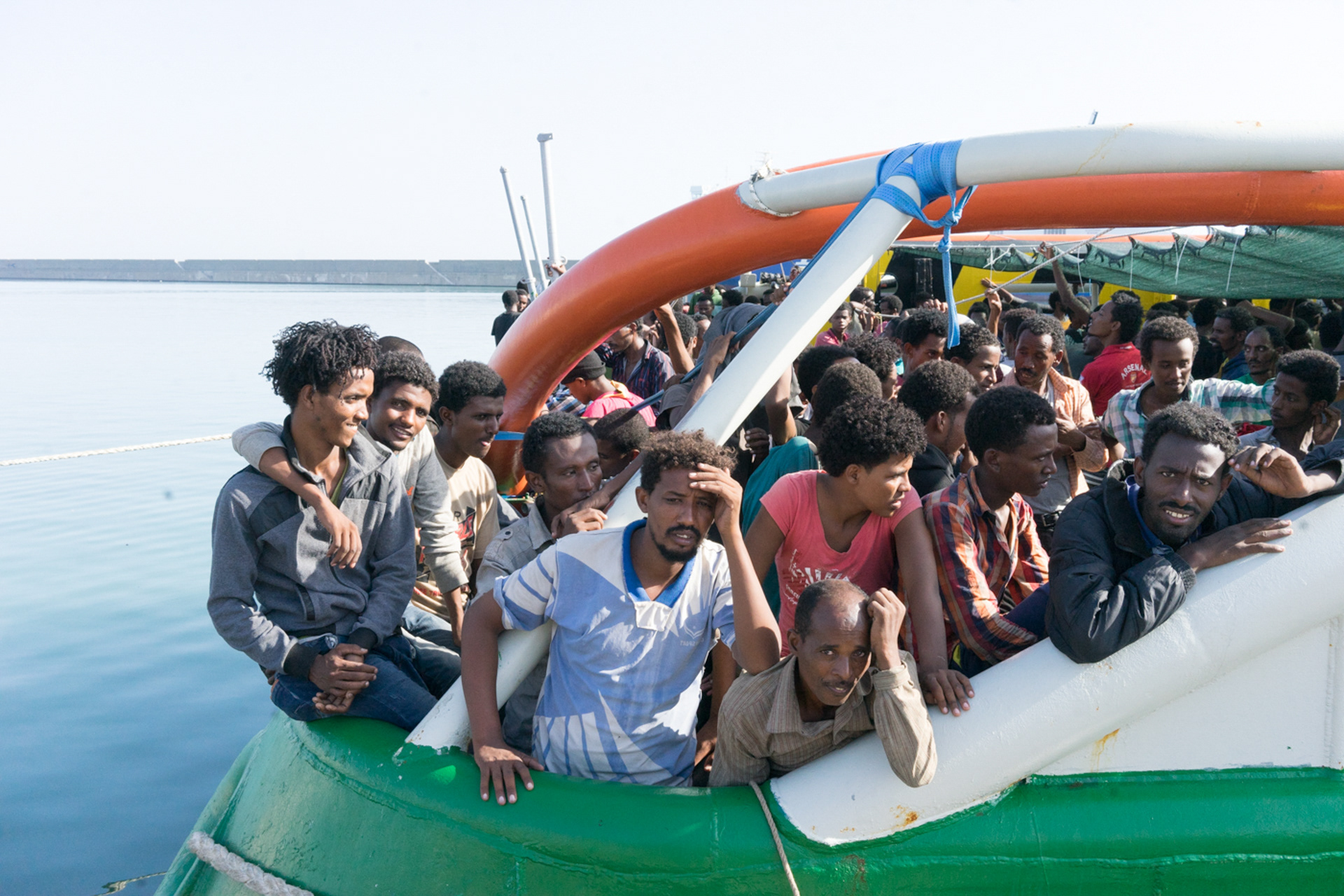
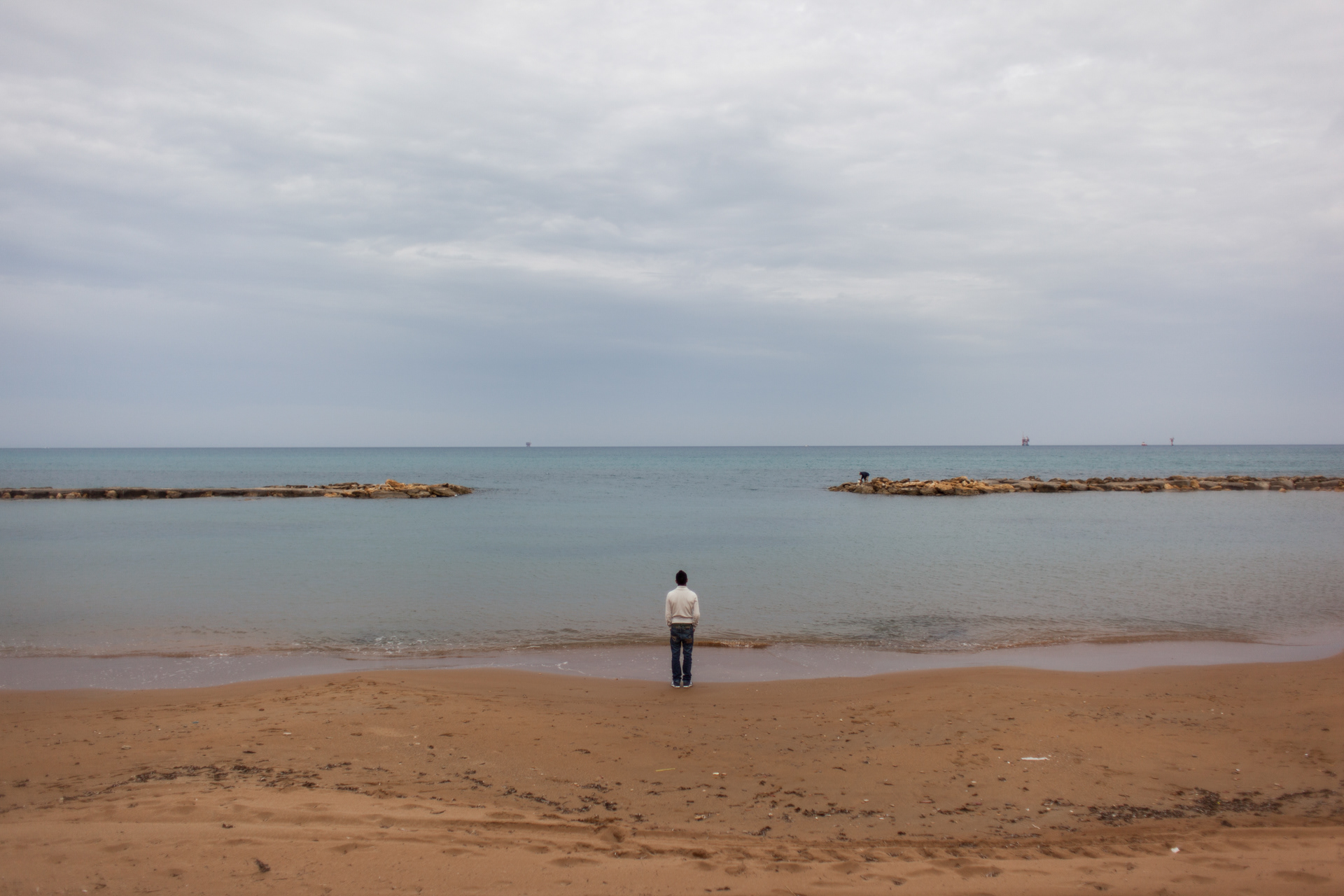
The Cengizhan was a Turkish-flagged cargo ship seized in 2007 during an operation against refugee trafficking. Abandoned in port and never dismantled, it gradually became an improvised shelter for those excluded from the official reception system.That same year, I began photographing the ship and the lives that had taken refuge inside it.
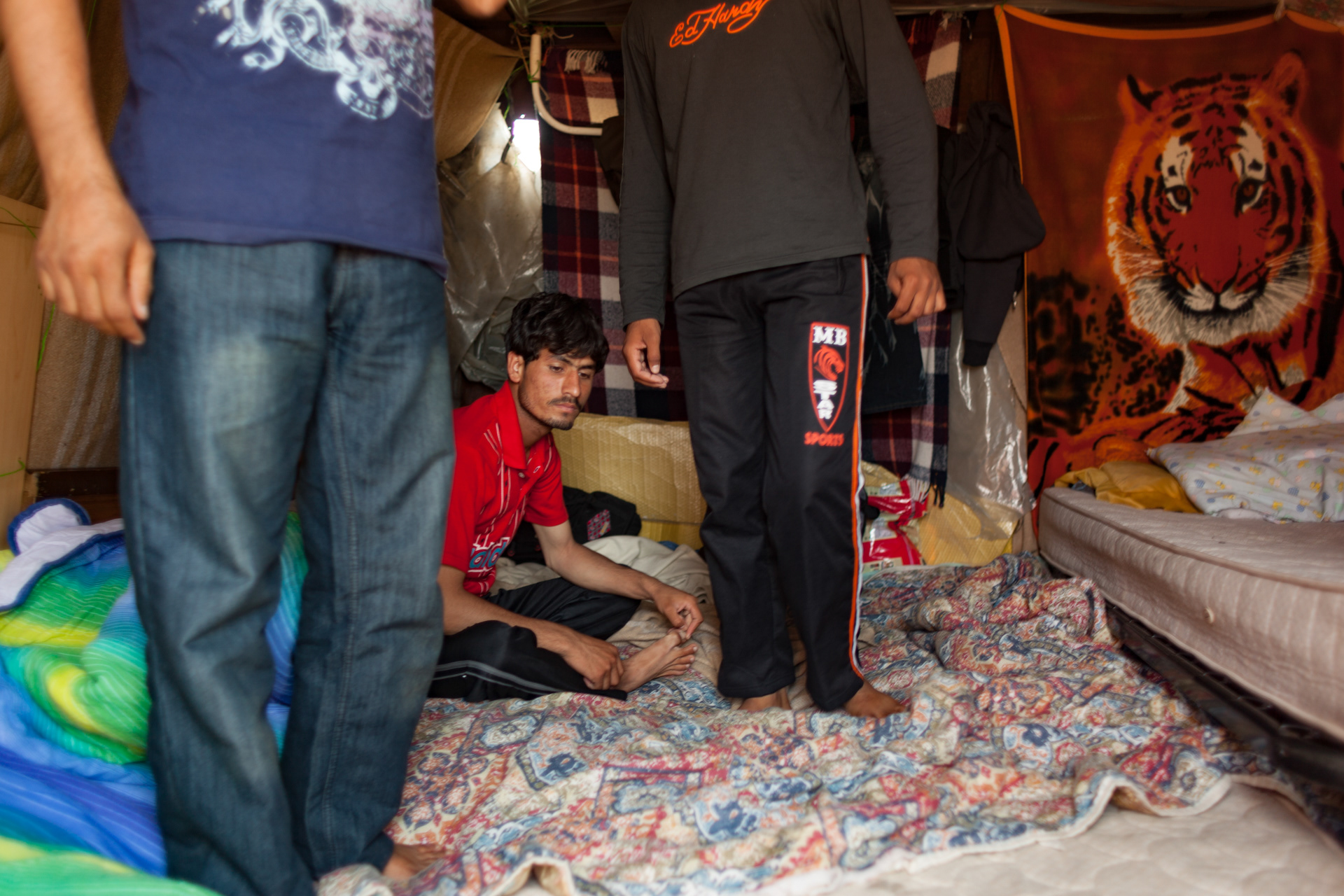
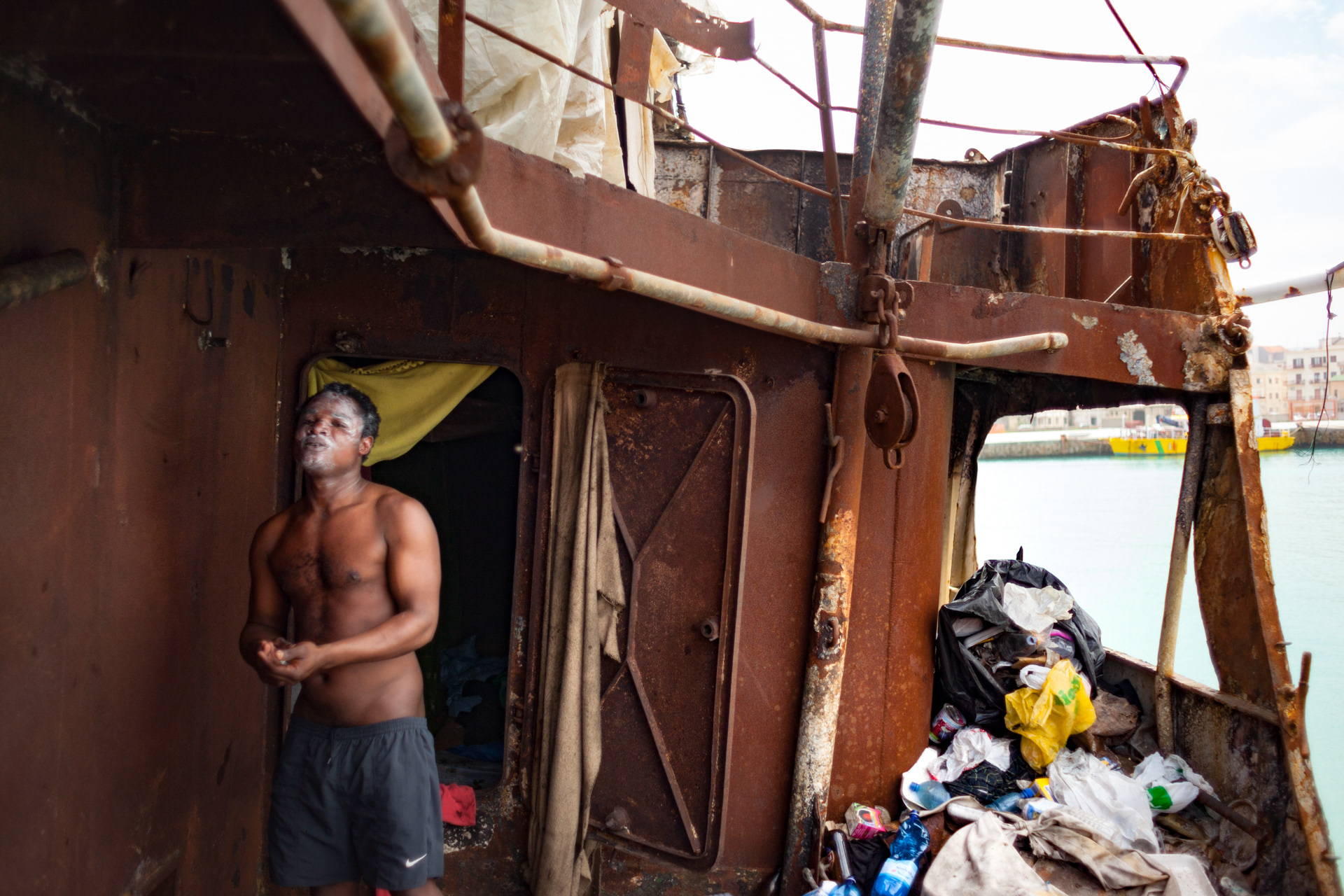
In 2011, the condition persisted. The ship remained, the system unchanged, and the images continued to accumulate.
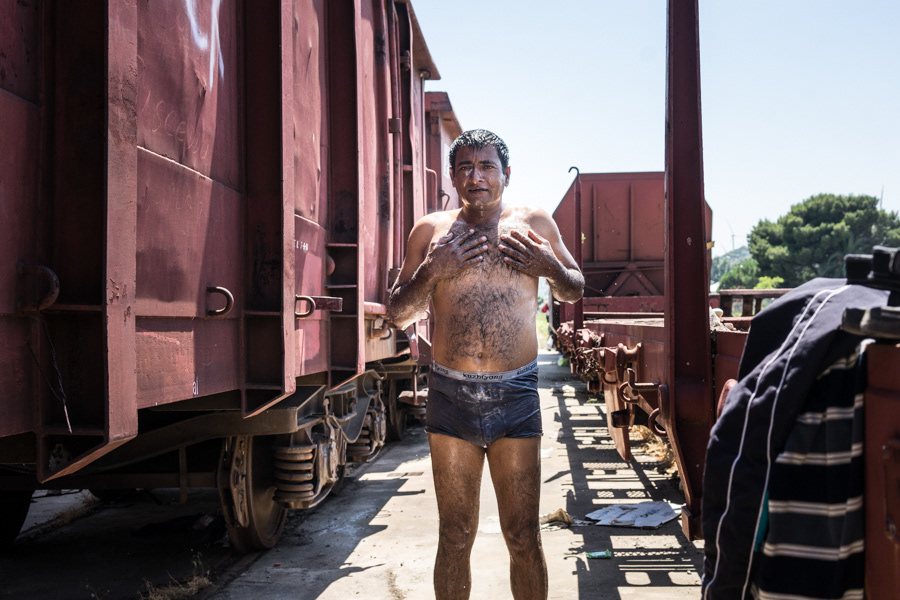
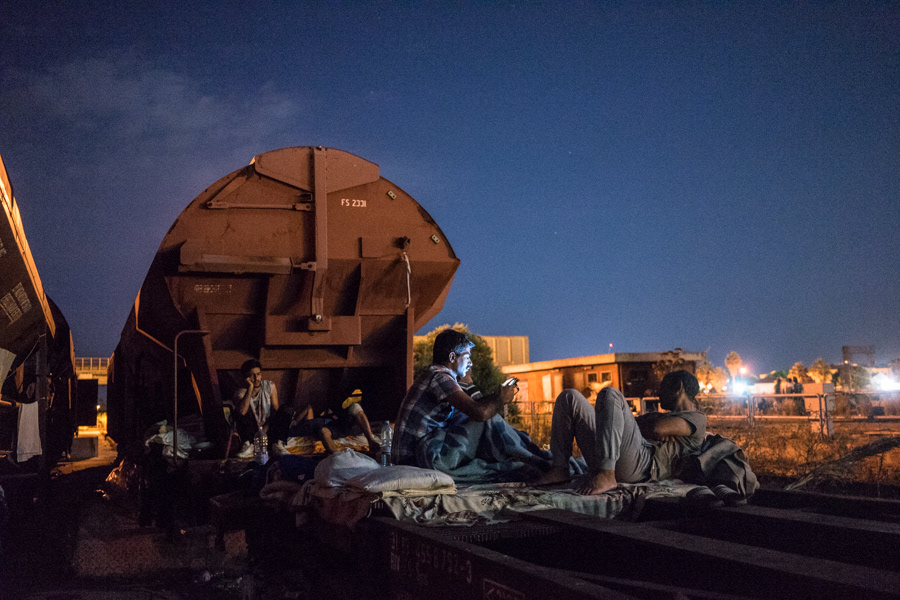
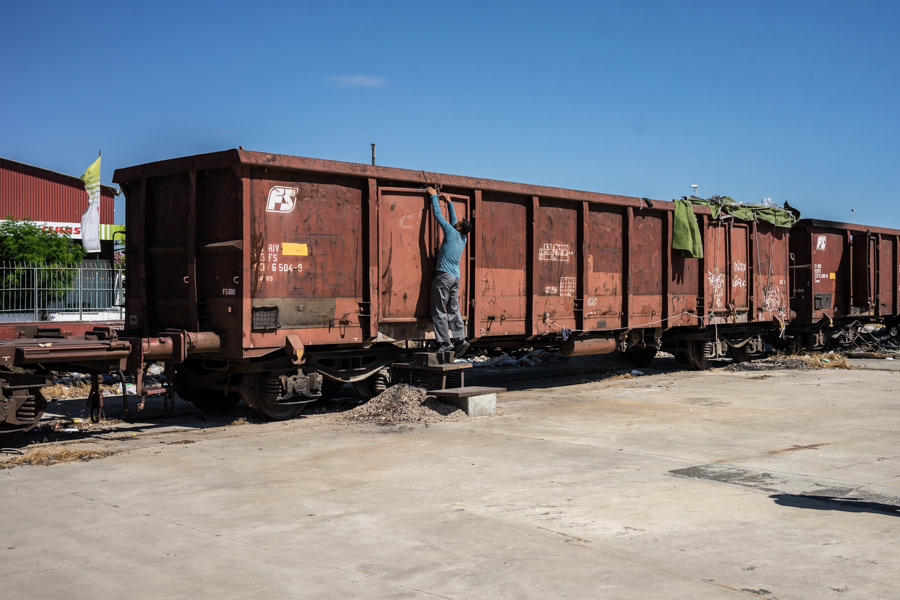
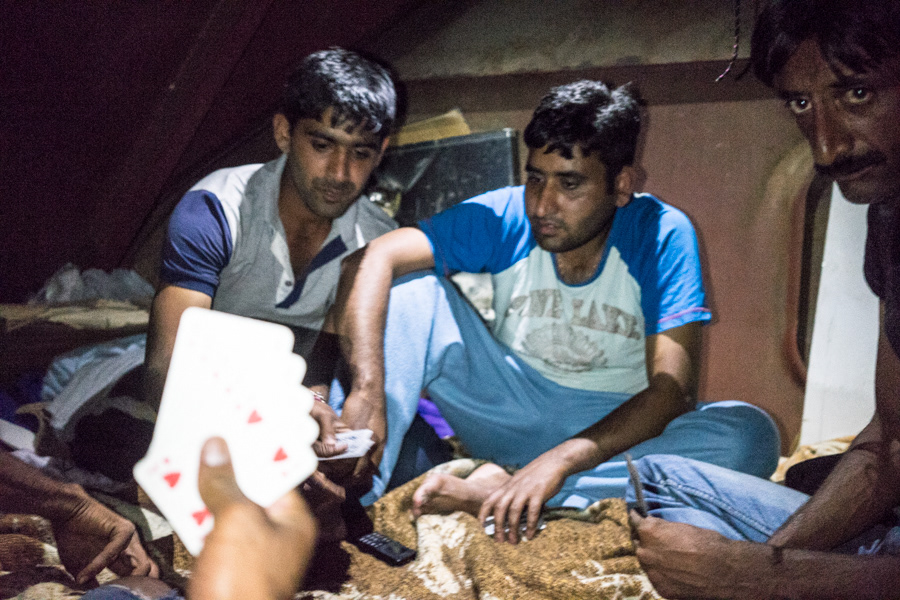
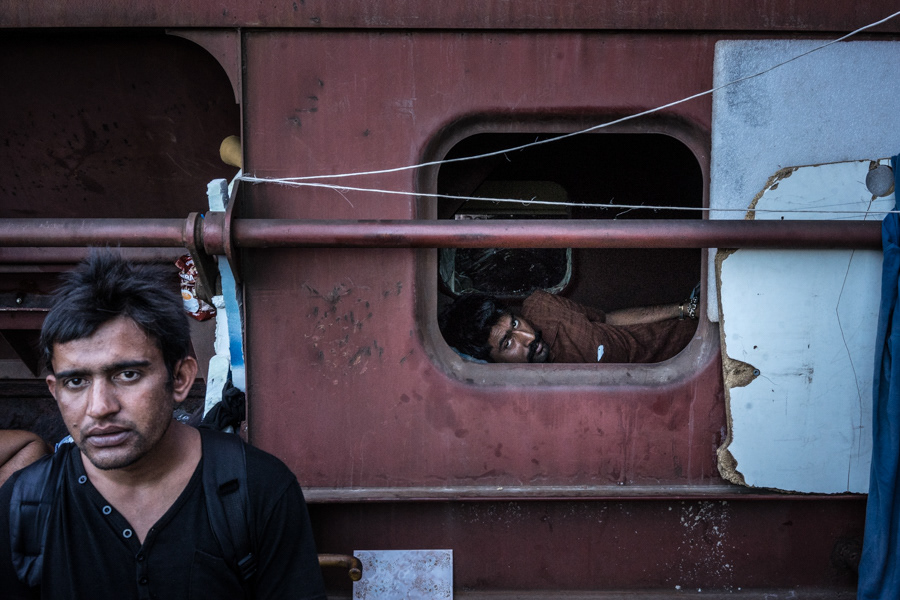
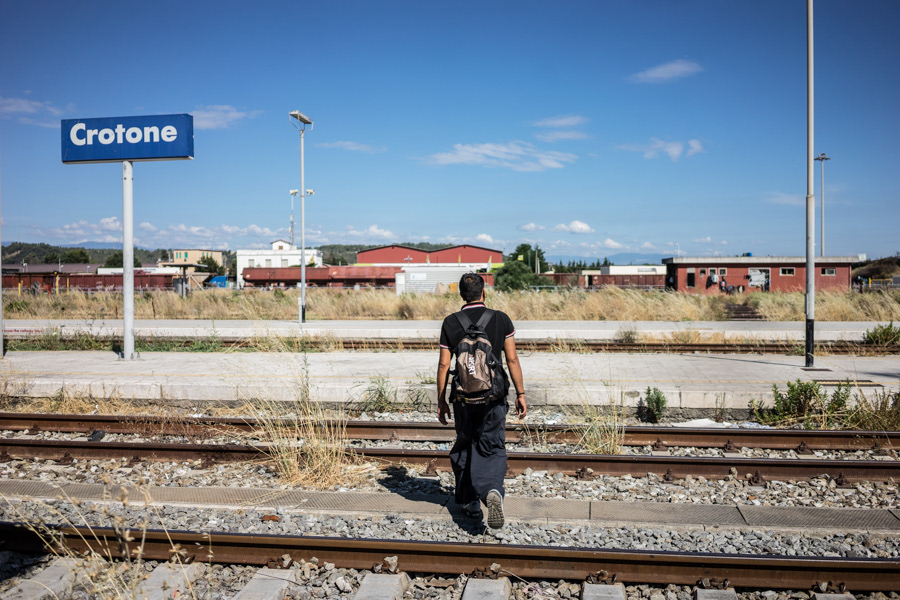
By 2015, the Cengizhan had disappeared, but the situation resurfaced in another form: migrants began sleeping in disused train cars near the station. I returned to photograph these new, temporary spaces of survival.
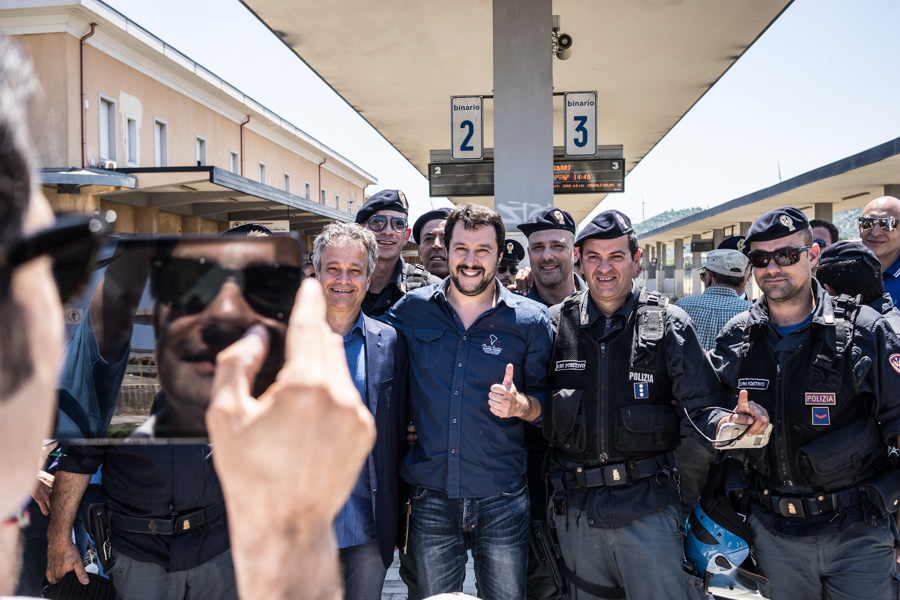
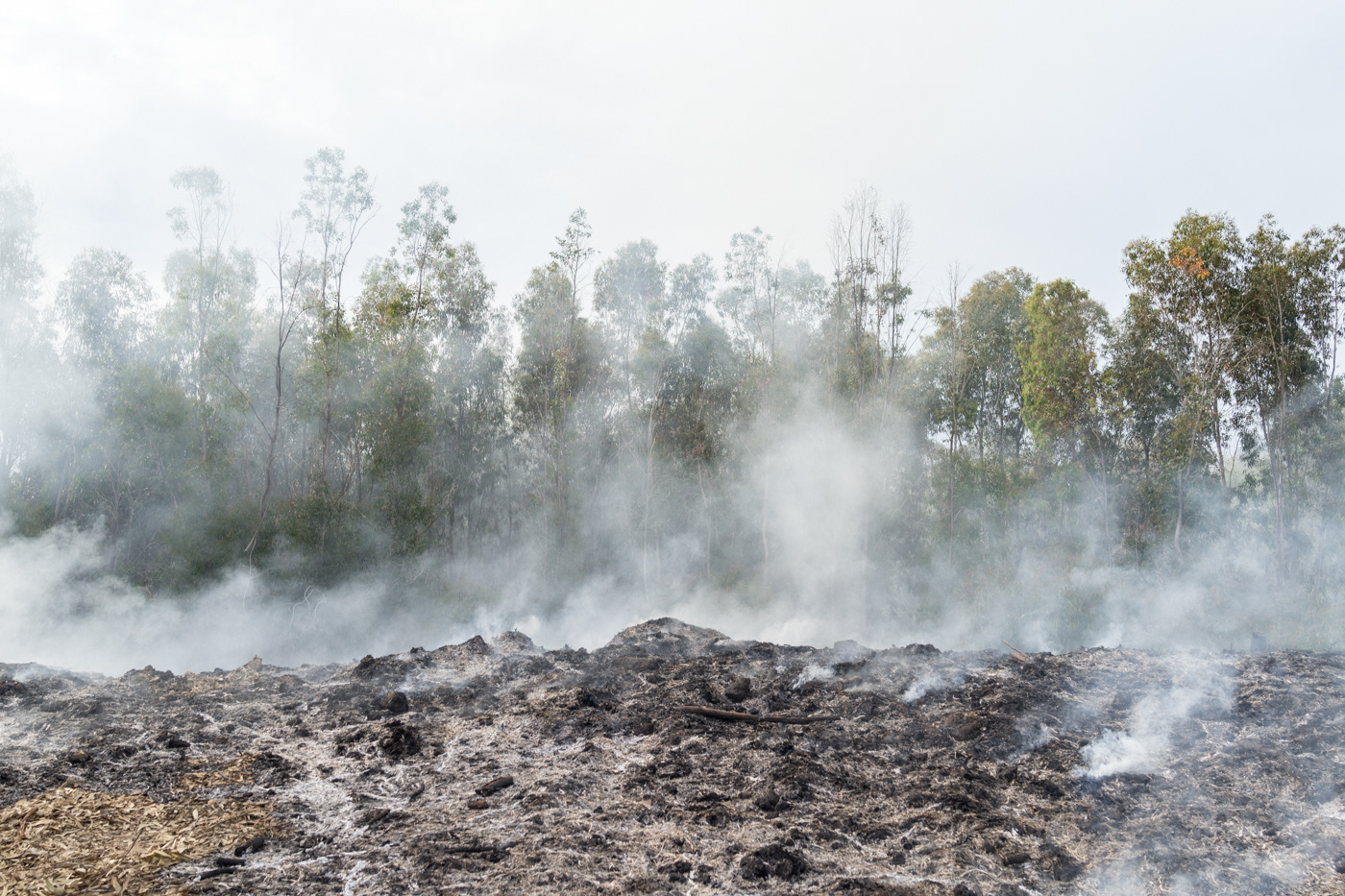
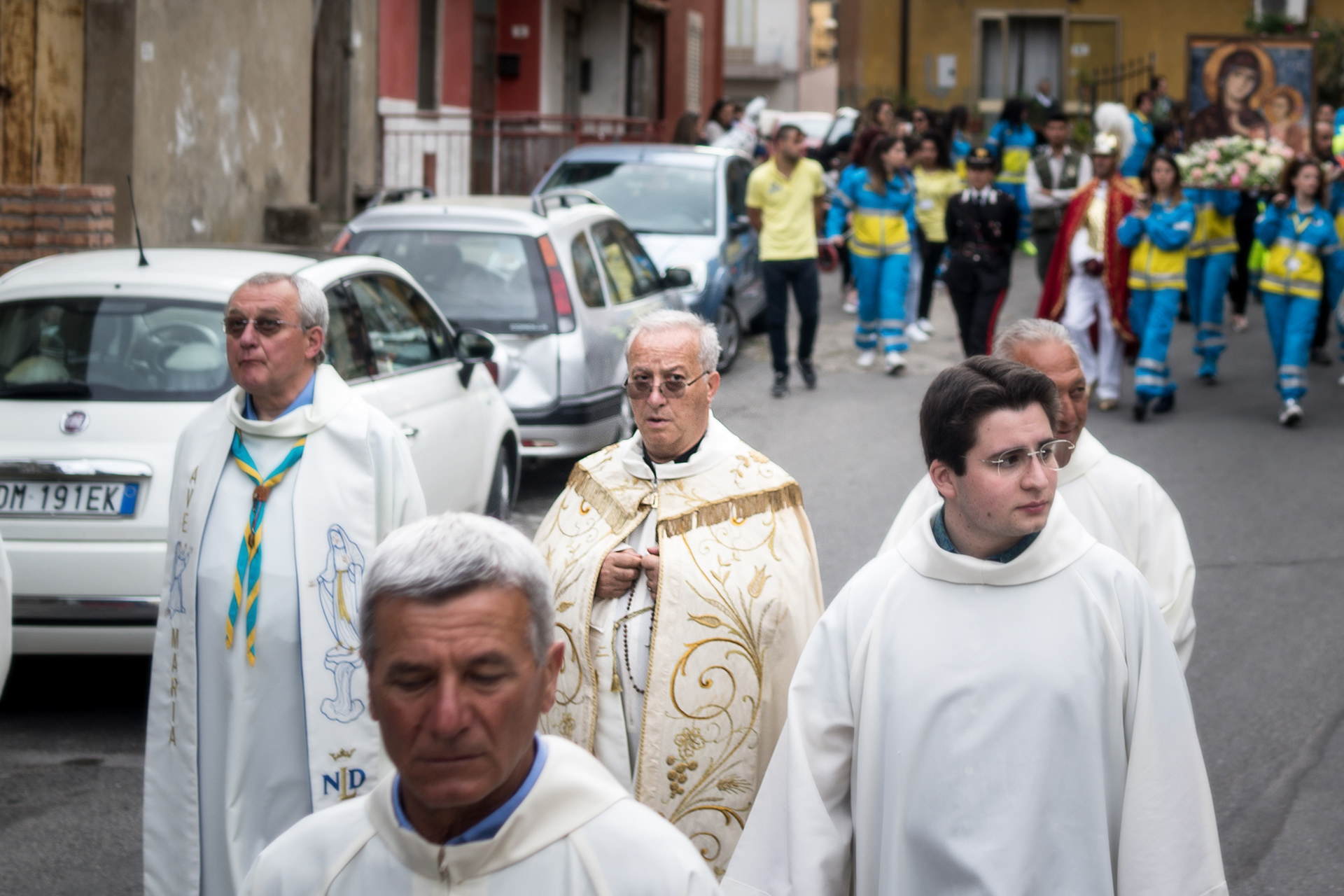
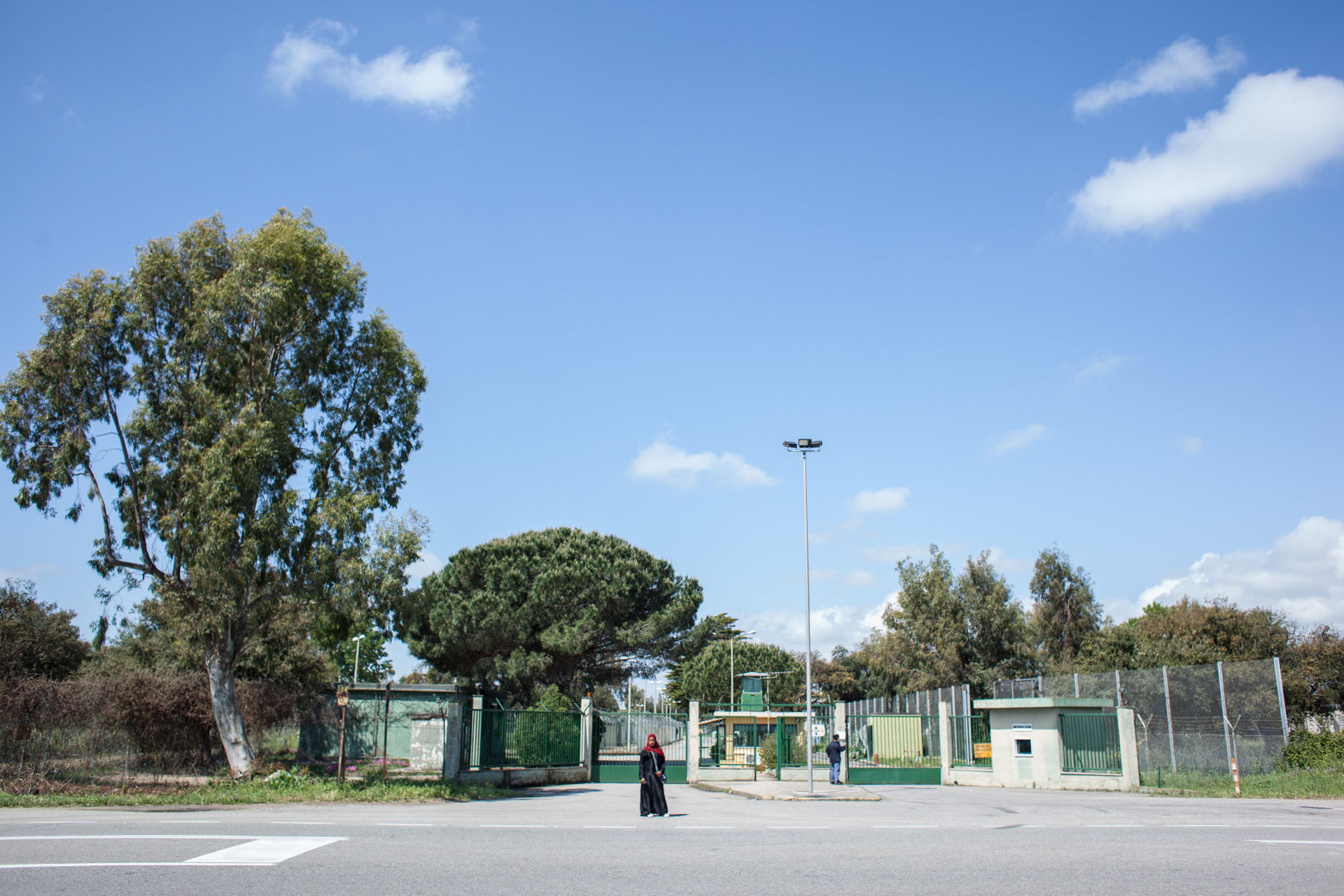
In 2017, a major investigation revealed systemic fraud and mafia involvement within the local refugee centre, exposing the institutional failure behind these recurring scenes.
The work traces these transitions over a decade—through spaces occupied, reassigned, or simply left behind—revealing how exclusion shifts form while remaining structurally unchanged.
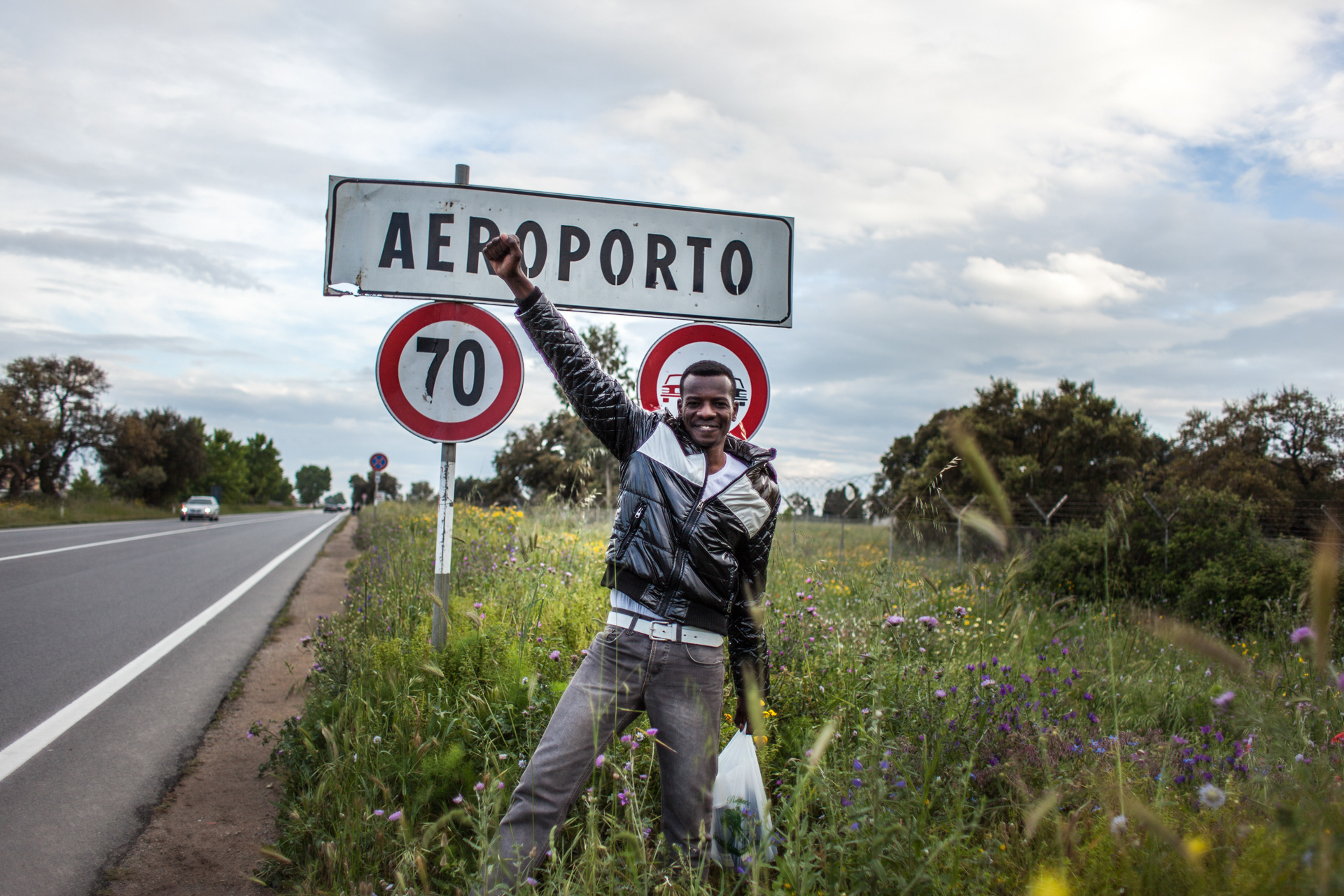
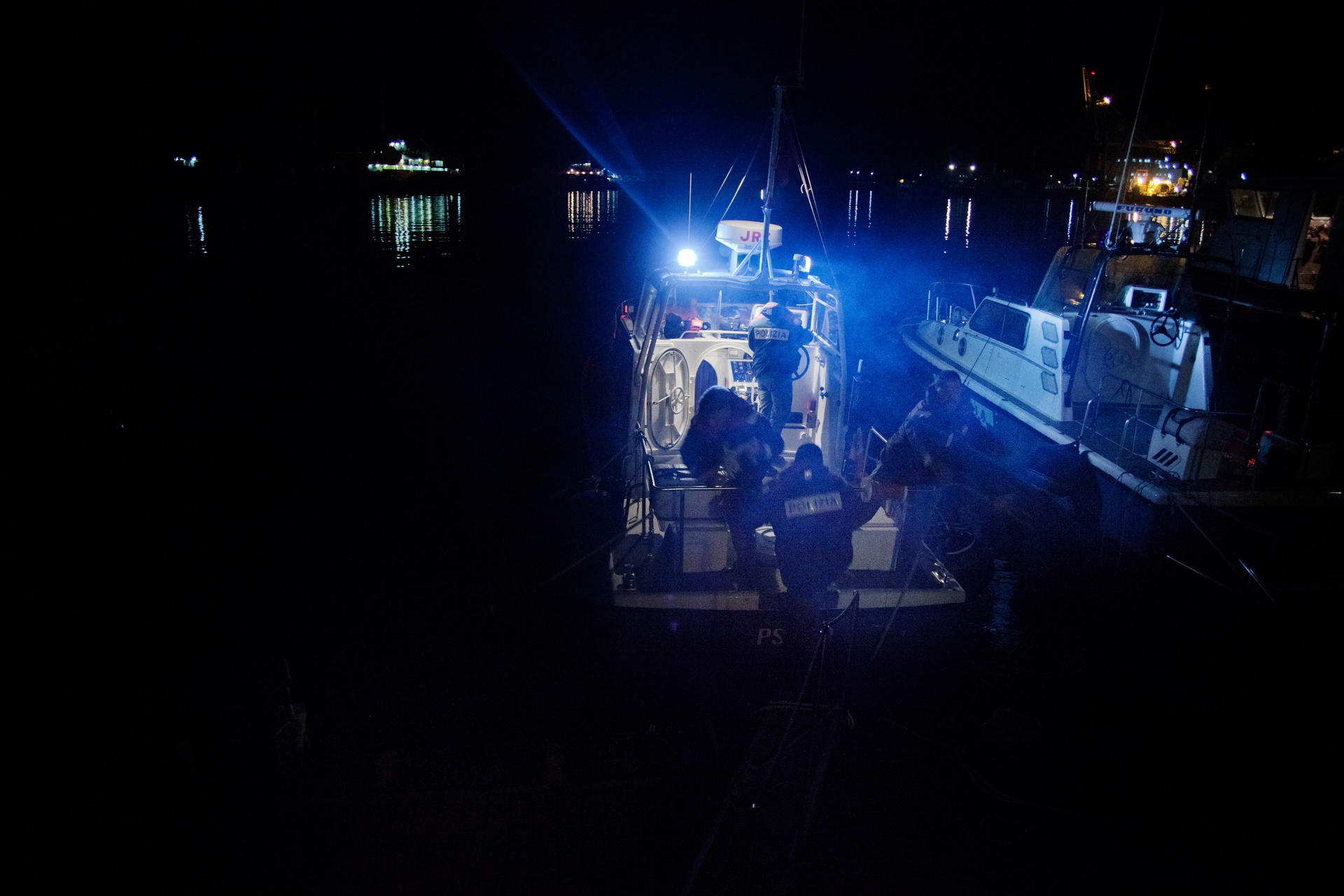
Filed notes from Crotone, 2017
Work developed across three phases.
April 2007 – Port of Crotone.The Cengizhan, a Turkish cargo ship used for migrant trafficking, is seized by the Guardia di Finanza.The vessel remains docked and unused. Over the following years, it is gradually repurposed as informal housing.
2015 – Crotone Station.After the ship is removed, the same condition reappears inland.Migrants begin occupying abandoned train cars on inactive tracks near the central station.
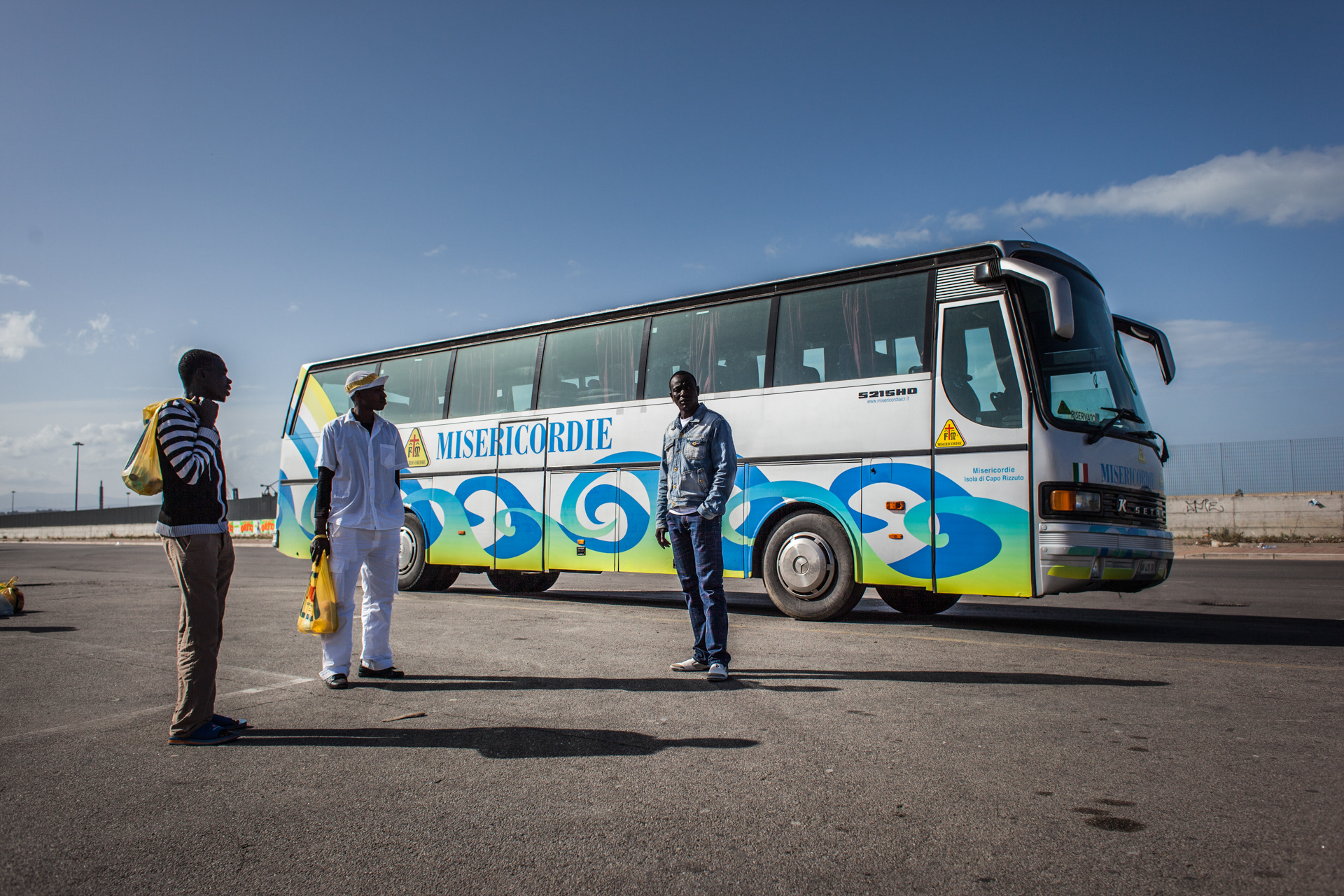
2017 – Sant’Anna Reception Centre.A judicial investigation exposes large-scale fraud and mafia infiltration.68 people are arrested, including clergy and administrators
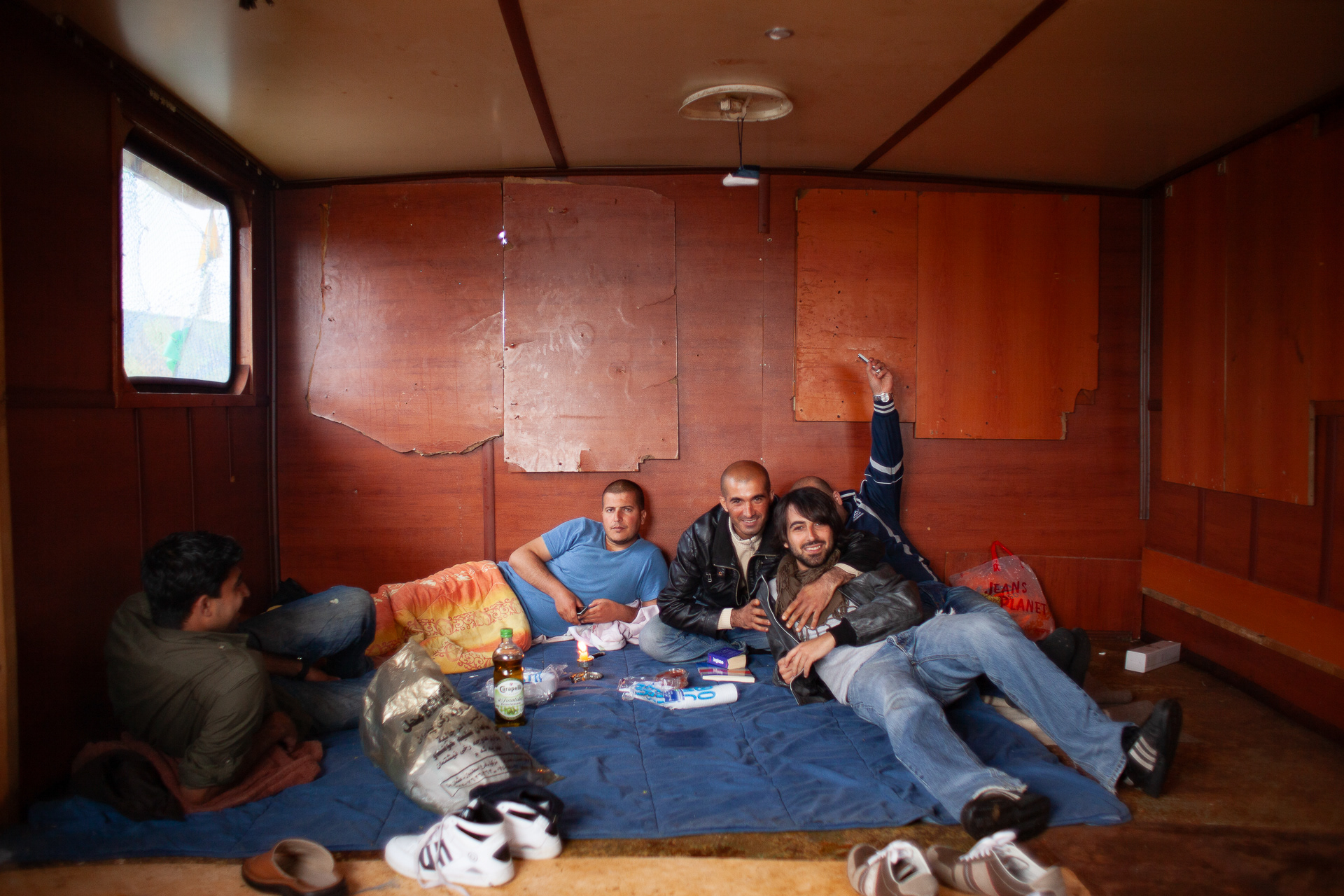
Inside chengizhan ship, Crotone, may 2011
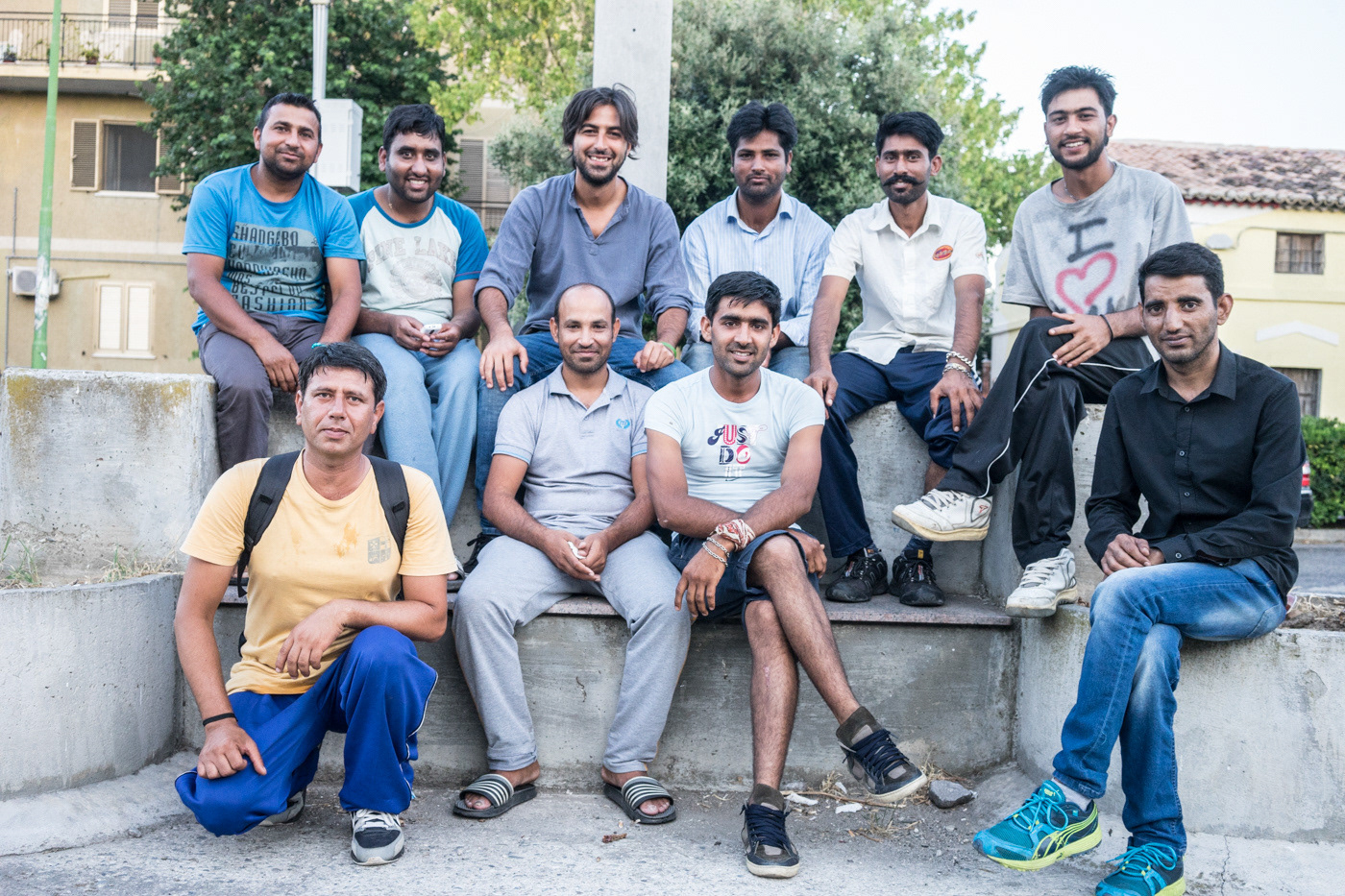
Train station, Crotone, July 2015